
Where Growth Meets Opportunity
Indonesia stands at the crossroads of innovation, natural beauty, and economic momentum, making it one of Asia’s most exciting investment frontiers. As the largest economy in Southeast Asia with abundant natural resources and a strategic location between major global trade routes, Indonesia offers immense potential across sectors like tourism, real estate, agriculture, digital tech, and renewable energy. Pro-business reforms, improved infrastructure, and a strong push toward sustainability create an ideal environment for forward-thinking investors. The global spotlight has also turned to Indonesia through world-class events like MotoGP in Mandalika, Lombok, showcasing the country’s ability to host international-scale attractions and boosting tourism growth. Whether you’re drawn by the promise of strong returns or the chance to be part of a vibrant, growing market, investing in Indonesia is more than a smart move — it’s a step into the future.
Lombok Rising : Your Gateway to Smart Investment


The Bright Future of Investment in Indonesia
With a commitment to green development, the country is positioning itself as a prime destination for forward-looking investors. Reforms and improvements in the ease of doing business further strengthen investor confidence, while the nation’s vast natural and cultural assets offer unique lifestyle and long-term value propositions. For those seeking growth, purpose, and opportunity, Indonesia is prepared to lead the region — and those who invest today are investing in the future.
In recent years, the Indonesian government has taken significant steps to create a more attractive and accessible environment for foreign investment in the real estate sector. Key reforms include simplifying land acquisition processes, offering competitive tax incentives, and expanding the scope for foreign ownership in designated property types. A major milestone was the enactment of the Omnibus Law in 2020, a sweeping regulatory overhaul designed to reduce bureaucracy and improve the ease of doing business across sectors. These changes signal Indonesia’s strong commitment to fostering a more open and investor-friendly climate. Still, navigating the market requires careful due diligence, a solid understanding of local laws, and collaboration with trusted local experts to ensure long-term success and compliance.
A Guide for Investors
Investing in Indonesian real estate can be rewarding, but understanding the legal framework is essential. Indonesia offers several types of property rights, each designed to suit different ownership needs. Here’s an overview of the main options available to both locals and foreign investors:
Hak Milik (Freehold Ownership)
This is the most complete form of property ownership in Indonesia, granting indefinite rights to use, sell, or inherit the land. However, freehold is strictly reserved for Indonesian citizens. Foreigners can only access it under rare circumstances, usually through marriage or special permits.
Hak Guna Bangunan (Right to Build – HGB)
HGB is the preferred legal pathway for foreign investors. It grants the right to build and use land for an initial period (usually 30 years), extendable up to 80 years. Crucially, foreign individuals or foreign-owned companies (PMA) can hold HGB titles directly—no local nominee is required. HGB titles also allow for commercial use, rental income, and tax registration under a legal entity, making it a popular and secure choice for villas, developments, or investment properties.
Hak Sewa (Leasehold Title)
Leasehold arrangements are another viable option, especially for residential living or flexible investment terms. These agreements can last up to 80 years, depending on the lease contract. While Hak Sewa doesn’t provide ownership of the land, it does allow full usage rights for the agreed period and is suitable for personal use or business purposes like rentals and hospitality. Lease terms are negotiable and can be tailored to specific project needs.
Whether you’re looking to build a private villa, invest in a hospitality venture, or secure a long-term residential lease, it’s important to work with experienced legal advisors who understand the nuances of Indonesian land law. With the right guidance, foreign investors can safely and confidently navigate property acquisition across Lombok, and beyond.
What You Need to Know
Thinking of buying property in Indonesia? While you don’t need a specific visa just to own property, having the right visa can make your investment journey smoother and may open doors to longer stays and residency. Here’s a simplified guide to the most common visa types foreigners use when investing in Indonesian real estate :
Tourist Visa
Ideal for those still in the exploration phase. This visa allows you to stay in Indonesia for 30 to 60 days depending on your nationality. It’s perfect if you’re visiting to scout locations or meet with agents—but keep in mind, it doesn’t allow for long-term residence or ownership privileges.
Social-Cultural Visa (Index 211)
This visa lets you stay for up to 6 months and is typically used for visiting family, engaging in cultural activities, or networking. While it offers a longer stay than a tourist visa, it still doesn’t grant any legal benefits for owning property directly.
Investor KITAS
This is the go-to option for serious foreign investors. The Investor KITAS is a limited stay permit designed for those setting up a foreign-owned company (PT PMA) in Indonesia. It not only allows you to live in the country long-term but also provides a legal framework for purchasing property under company ownership. Specific capital requirements apply, so professional advice is key.
Retirement KITAS
If you’re 55 or older and dreaming of retiring on a tropical island, this one’s for you. The Retirement KITAS allows for long-term stays and the ability to lease or use property for personal use—often for up to 5 years, with renewals available. You’ll need to show proof of retirement income and meet certain criteria, but it’s one of the most popular visas for older expats.
Working KITAS
Planning to work for a company in Indonesia? With a Working KITAS, you gain resident status through employment, which also enables easier long-term arrangements—especially if your work involves property development, hospitality, or real estate.
Final Tip
Visa regulations can change, and interpretation varies across regions—so it’s always smart to consult a local immigration expert or legal advisor before making any commitments. Pair that with a trusted notary or real estate consultant, and your property journey in Indonesia can be as smooth as the Lombok breeze.
PMA stands for Penanaman Modal Asing, or Foreign Capital Investment. It’s the official business structure that allows foreigners to legally own and operate a company in Indonesia. Whether you’re entering real estate, tourism, manufacturing, or other sectors, setting up a PMA is the proper gateway to doing business in the country.
At Nalia Villas, we offer end-to-end assistance to get PMA company up and running—safely, legally, and efficiently. We manage the full setup for around €1,200, with an estimated completion time of just one month. Beyond setup, our villa management team will fully supports ongoing tax compliance and administration.
How to Set Up a PMA (And What It Involves)
Crafting Your Investment Blueprint
The process starts with designing a business plan that outlines your goals, capital allocation, and intended activities. This plan must align with government regulations and match an industry open to foreign investment.
Capital Requirements
Under BKPM Regulation 5/2025, the minimum paid-up capital to establish a PMA is now IDR 2.5 billion (~€150,000). However, the government still requires a minimum total investment plan of IDR 10 billion (~€600,000) per business activity.
The IDR 10 billion refers to your overall project value—equipment, operations, development, etc.—and does not include land or building costs, which are counted separately.
BKPM (Investment Coordinating Board) Approval
Your plan is then submitted to Indonesia’s BKPM, which reviews the proposal’s impact on jobs, the economy, and knowledge transfer. Once approved, you can proceed with forming your business entity.
Company Formation
This includes legal registration, choosing a business name, drafting documents, obtaining a tax ID, and registering with government authorities.
Obtaining Licenses & Permits
Additional licenses may be required, depending on your company’s focus. These could include operational permits, location permits, or industry-specific certifications.
Meeting Tax Obligations
As a legal entity, your PMA must comply with Indonesian tax regulations such as corporate income tax, VAT, and regional levies. With Nalia Villas, our management team ensures this is handled smoothly alongside your property management.
Why Choose a PMA Structure?
Setting up a PMA unlocks advantages such as:
Full foreign ownership (no nominee needed)
The ability to buy property in the company’s name
Eligibility for long-term stay permits like the Investor KITAS
Tax incentives and simplified customs processes in some sectors
Final Thoughts
Indonesia continues to open its doors to global investors, offering immense opportunities across islands and industries. However, success begins with a solid legal foundation. That’s why Nalia Villas provides complete property and tax management services—so your investment is secure, compliant, and seamlessly managed.
Step 1: Secure Your Villa
Begin your investment journey by signing a Sales & Purchase Lease Agreement with Nalia Villas. This document outlines the villa details, terms and conditions, payment structure, and key legal safeguards. A 10% deposit is all that’s needed to reserve your property and begin the process.
Step 2: Legal Setup & Construction Start
For foreign investors, your property can be secured through a Leasehold (Hak Sewa) agreement, providing long-term usage rights. Nalia’s legal team will handle all documentation and ensure a smooth, transparent process from start to finish. Additionally, depending on future legal frameworks and opportunities, leasehold agreements can be upgraded into Freehold (Hak Guna Bangunan), offering even greater security and ownership flexibility. At this stage, a 40% payment is required at the start of construction.
Step 3: Construction Progress
Our construction and project team will keep you updated every step of the way. You’ll receive regular updates on milestones, structural progress, and timeline developments. Once the structural phase is completed (typically within 6–8 months), the next 40% payment is due.
Step 4: Final Handover
Your villa is completed and ready for use. At this stage, the final 10% payment is made.
You now officially own a luxury villa in South Lombok — ready to be enjoyed, lived in, or rented out as a high-yield asset.
Don’t let your dream fade away.
Don’t let your dreams fade away.
Secure your tomorrow today!
Growth is already underway, and opportunities are opening for those ready to take part. Acting today means entering at the right moment, with more room for long-term returns and stability. The market is moving forward, and every step started now creates a stronger position for the future. With prices and demand rising, starting earlier gives you the advantage. The best time to begin is simply today. Invest with us


Strong Returns in a Growing Market
Nalia Villas is more than just a beautiful retreat it’s a smart investment in one of Indonesia’s fastest-growing destinations. With South Lombok’s tourism rapidly rising, limited high-quality accommodations, and increasing global interest, villas like Nalia are in high demand. Investors can expect strong rental yields, especially during the high season, with consistent occupancy driven by family, Tech People, and travelers. Plus, as land and property values continue to climb in the region, your asset appreciates in value offering both short-term income and long-term capital growth. With high rental yields during peak seasons and steady occupancy throughout the year, your villa generates reliable income while benefiting from the area’s accelerating property value growth. At Nalia, you’re not just buying a villa you’re securing a piece of South Lombok’s bright future. Investing in Nalia means securing strong returns today while positioning yourself for even greater rewards in the future.
Smart move, smooth stream of return.
Smart move, smooth stream of return.
Your Island Home Awaits
At Nalia Villas, we craft enduring homes that blend comfort, elegance, and resilience. Our commitment to excellence shows in every detail—from design to construction—using top materials and workmanship to ensure each villa is strong, timeless, and a lasting legacy for investors. Nestled in nature, Nalia Villas combines stunning surroundings with meticulous craftsmanship to create a sanctuary where luxury and durability coexist. Invest with confidence: your dream home becomes a lifelong treasure, set within Lombok’s island experiences. Wake up to pristine beaches, surf world-class waves, dive vibrant reefs, trek waterfalls, and explore lush highlands. Immerse yourself in Sasak culture, festivals, and local craftsmanship, all while enjoying Lombok’s serene beauty and warm hospitality.
The Island Experience
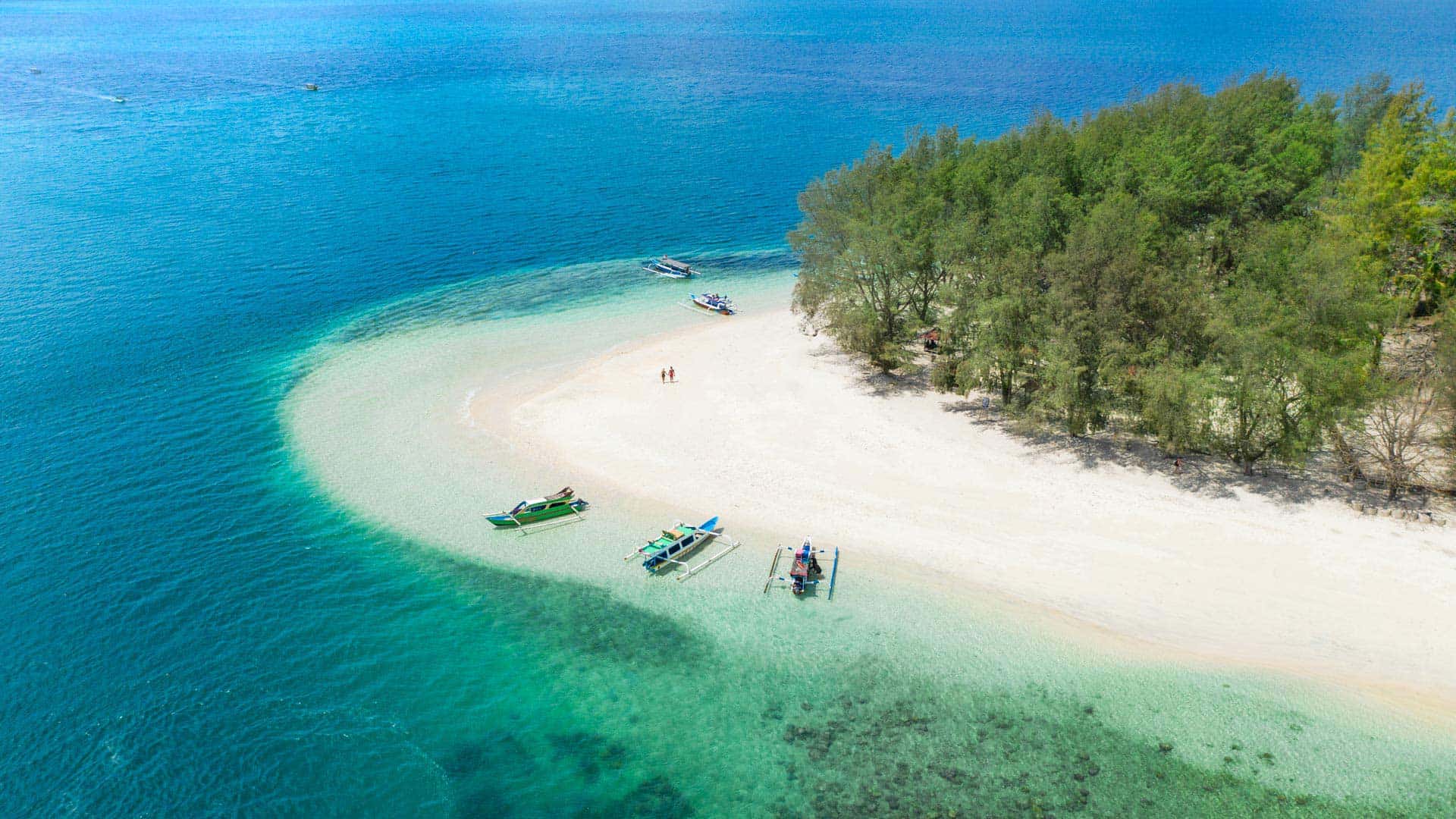
Lombok is a vibrant island where nature, culture, and adventure come together. From trekking Mount Rinjani and exploring jungle trails to surfing in Desert Point and Mawi, the island offers exciting outdoor adventures. Its northern waterfalls, serene beaches like Selong Belanak and Pink Beach, and offshore Gili Islands provide stunning escapes. Rich in Sasak traditions, crafts, and cultural rituals, Lombok offers more than beauty it invites deep connection and discovery. As part of our villa management services, guests renting through OTAs will enjoy premium accommodation and curated packages showcasing the best of the island experience, making every stay a journey into Lombok’s natural and cultural treasures. Discover more

