Lombok is Indonesia’s New Tourism Hub
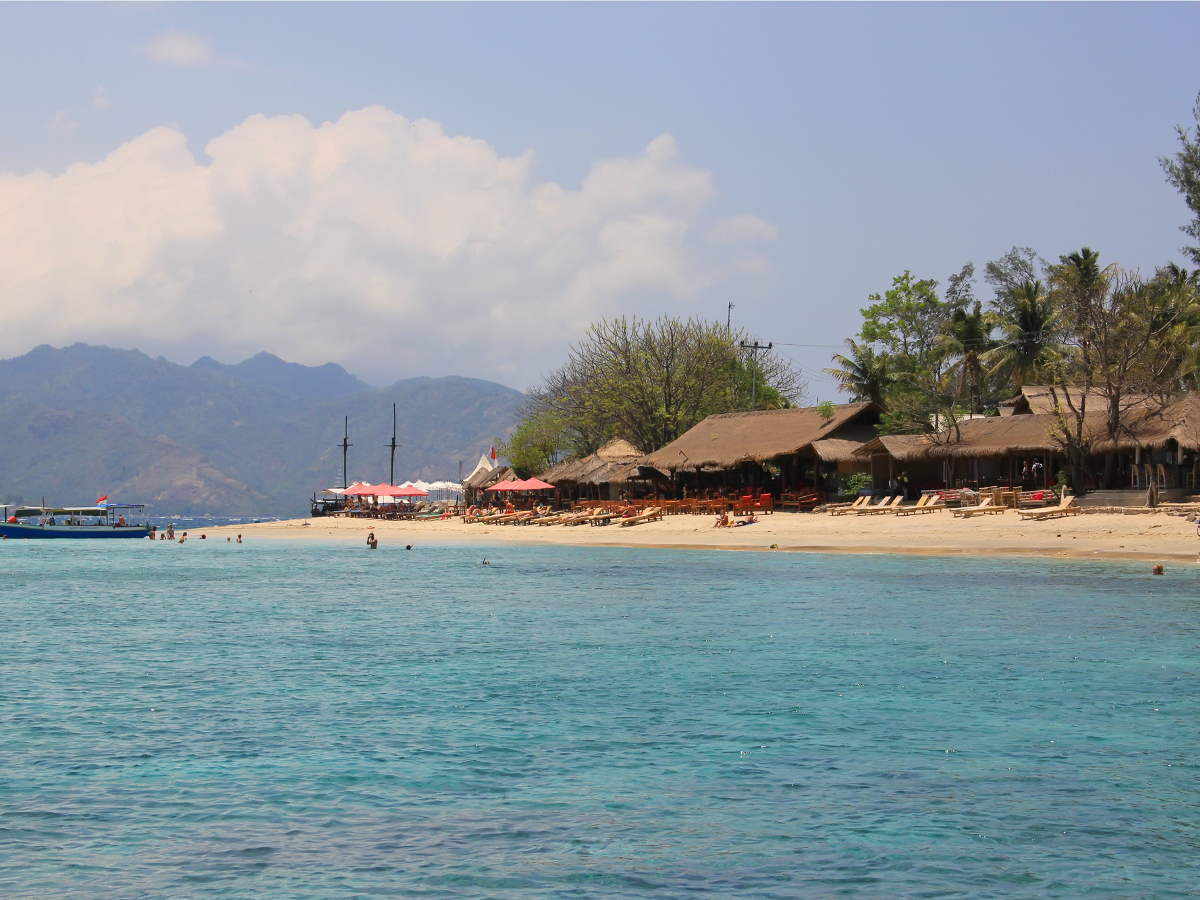
Designated as part of Indonesia’s National Strategic Projects, Lombok has seen major infrastructure improvements, including the expansion of Lombok International Airport, upgraded highways, new power facilities, and modern water treatment systems. These developments are closely tied to the Mandalika Special Economic Zone (SEZ) in South Lombok, a 2,900-acre project led by the Indonesia Tourism Development Corporation (ITDC). The Mandalika SEZ is Southeast Asia’s largest tourism-focused project, featuring facilities such as the Mandalika International Street Circuit, host of MotoGP, which has brought Lombok international recognition. ITDC has also supported sustainable growth in the region through eco-friendly resorts and cultural initiatives, ensuring that development takes local heritage and the environment into account. With improved accessibility, strong infrastructure, and a focus on responsible development, Lombok is positioned to grow as a year-round destination while maintaining its cultural and natural character.

Embracing the South Lombok Coastline
Embracing the South Lombok Coastline
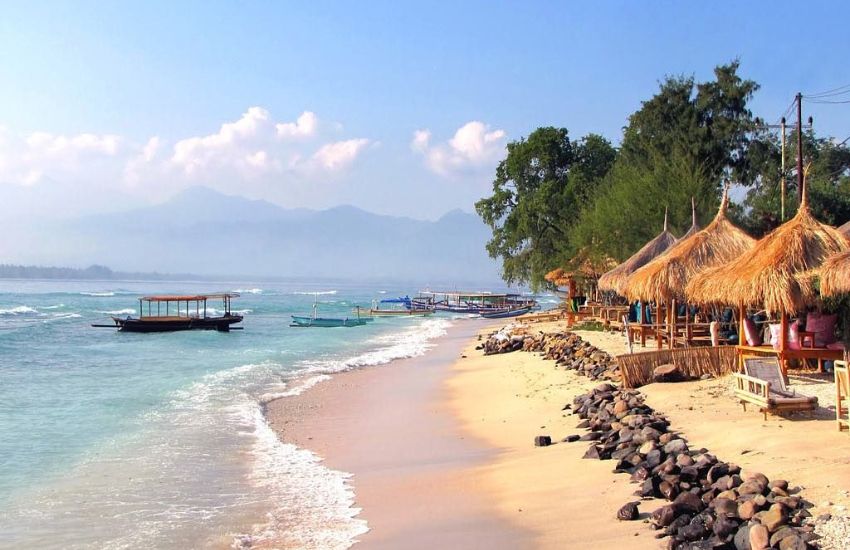
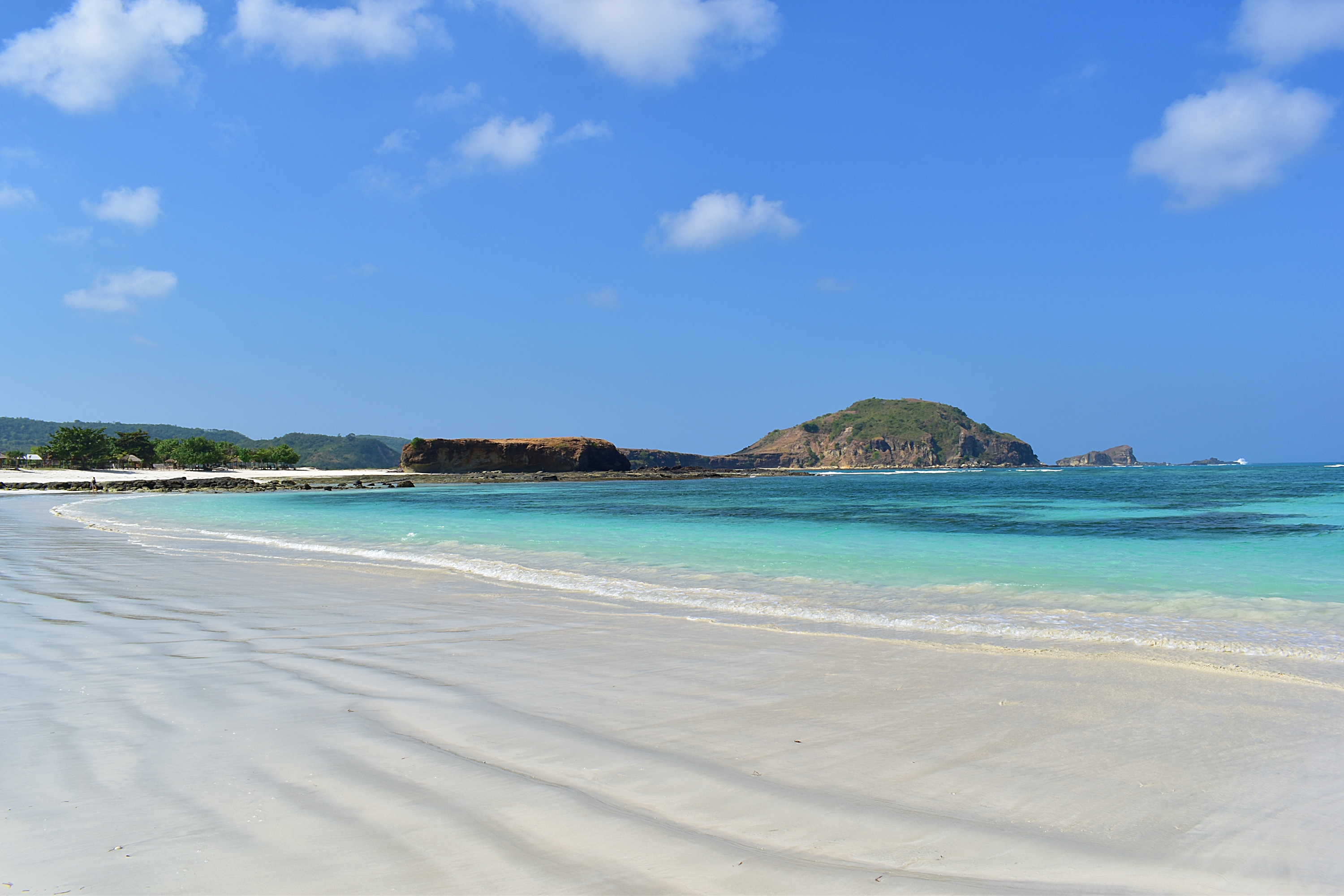
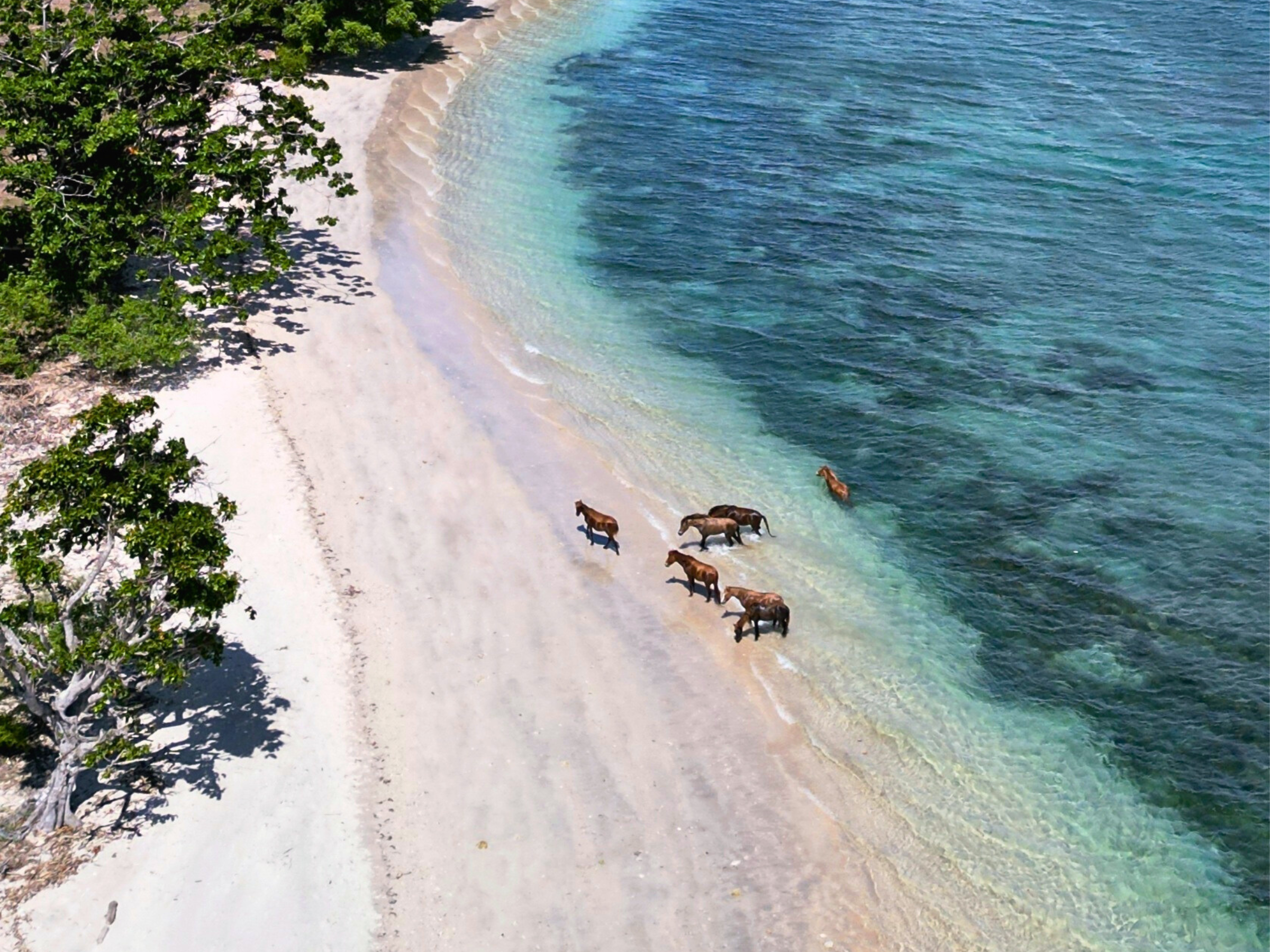
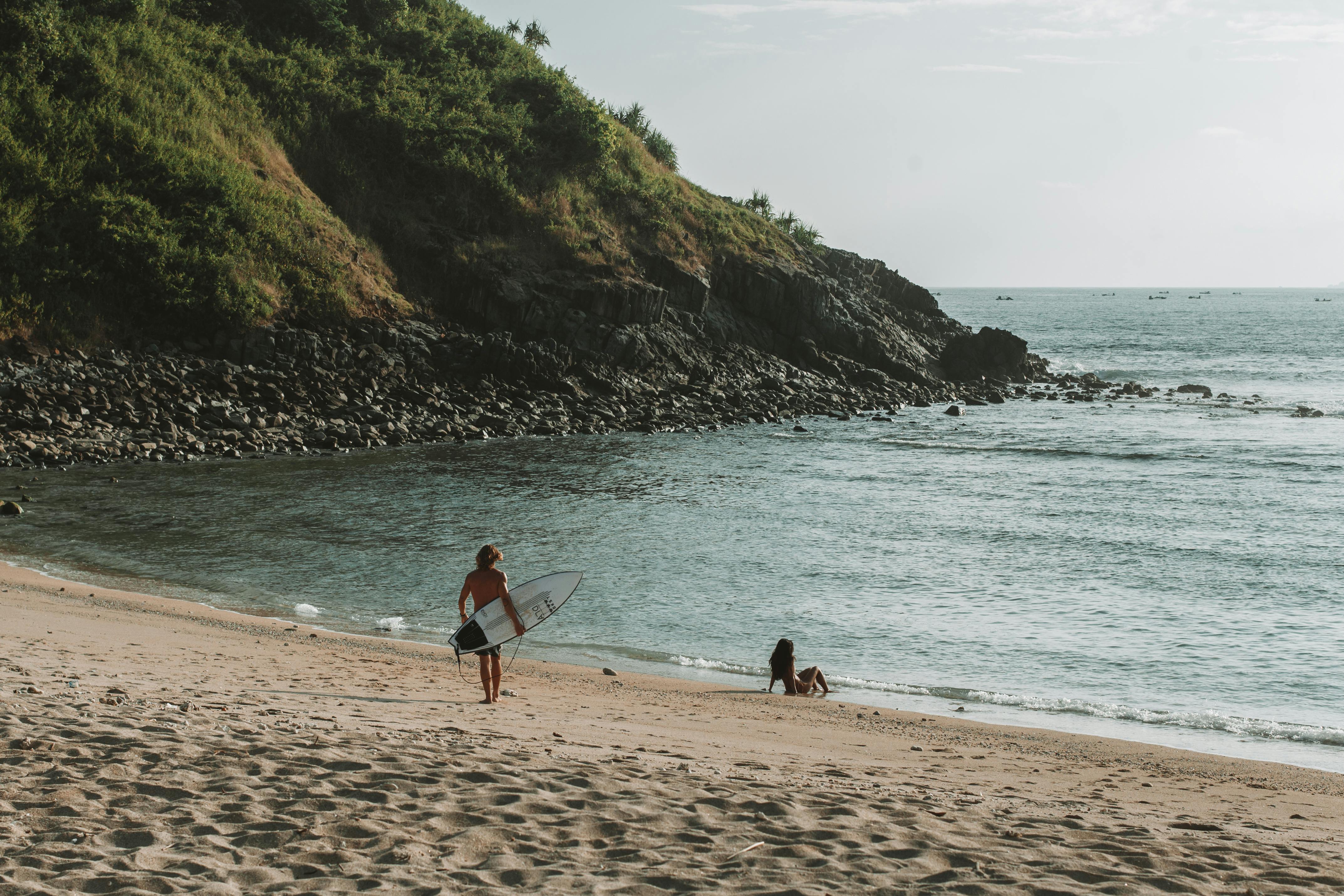
South Lombok is celebrated for its white sand beaches, turquoise waters, and world-class surf, offering the perfect mix of adventure and relaxation. Unspoiled landscapes, hills, and breathtaking ocean views create a true island paradise. Once a small fishing village, Kuta has grown into a vibrant hub with restaurants, beach bars, boutiques, wellness retreats, and the Mandalika Intercultural School, making it attractive for families. Despite this growth, South Lombok remains free of traffic and congestion, maintaining a relaxed pace of life.
Further west, Selong Belanak offers golden sands and calm waters for swimming, surfing, or quiet escapes. Thanks to modern roads, iconic surf breaks like Gerupuk, Tanjung Aan, Mawi, and Serangan are all just a scenic drive away. With improved infrastructure, a thriving expat scene, and a strong focus on sustainability, South Lombok is evolving into not only a sought-after holiday destination but also a vibrant, family-friendly community where natural beauty and modern conveniences coexist.


Living the Lombok Way
Living the Lombok Way
We chose Lombok because it offers something rare — a balance of nature, culture, and simplicity that is hard to find elsewhere. Here, you wake up to beaches, green hills, and the rhythm of daily life that moves at a calmer, more thoughtful pace. The Sasak people bring warmth and tradition, creating a sense of community that makes newcomers feel at home. Unlike many busier destinations, Lombok remains open and uncrowded, giving space to breathe, explore, and connect with both the land and the people. Being here is about more than a location — it’s about a way of living that is natural, grounded, and deeply rewarding.
ᨒ Trekking
Mount Rinjani
The Sacred Summit of Lombok
The Sacred Summit of Lombok
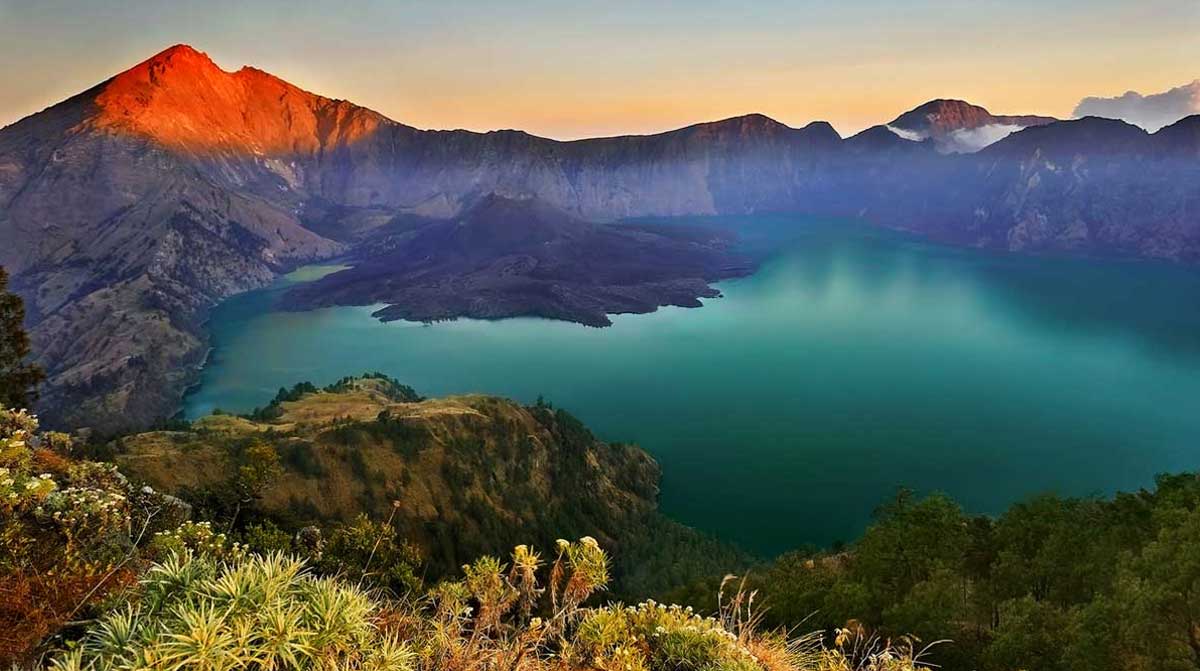
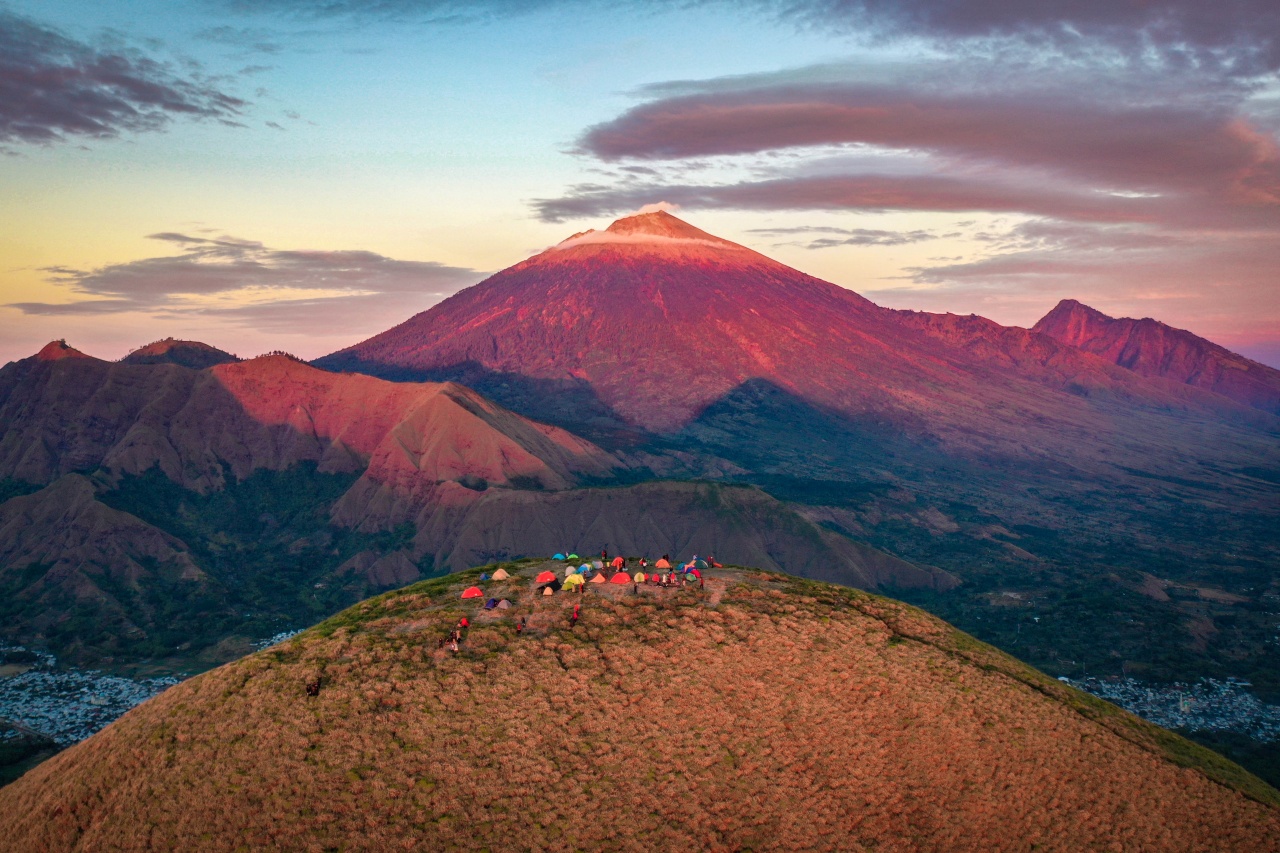
Mount Rinjani (Gunung Rinjani) is not just a mountain — it’s the soul of Lombok. Standing at 3,726 meters, it is the second-highest volcano in Indonesia, and one of the most spectacular natural wonders in Southeast Asia. owering above clouds and coastlines, Rinjani dominates the island’s skyline. At its heart lies Segara Anak, a deep-blue crater lake that seems to shimmer with spiritual energy. Beside the lake rises Mount Barujari, a baby volcano that still smokes — a reminder that Rinjani is alive.
The Rinjani trek is challenging but deeply rewarding — a 2–4 day adventure through lush forests, high-altitude ridges, and volcanic terrain. Trekkers often begin in Sembalun or Senaru villages, encountering waterfalls, rare wildlife, and surreal sunrise views above the clouds.


Bukit Merese


Mount Anak Dara
Hike High, Breathe Free
Hike High, Breathe Free
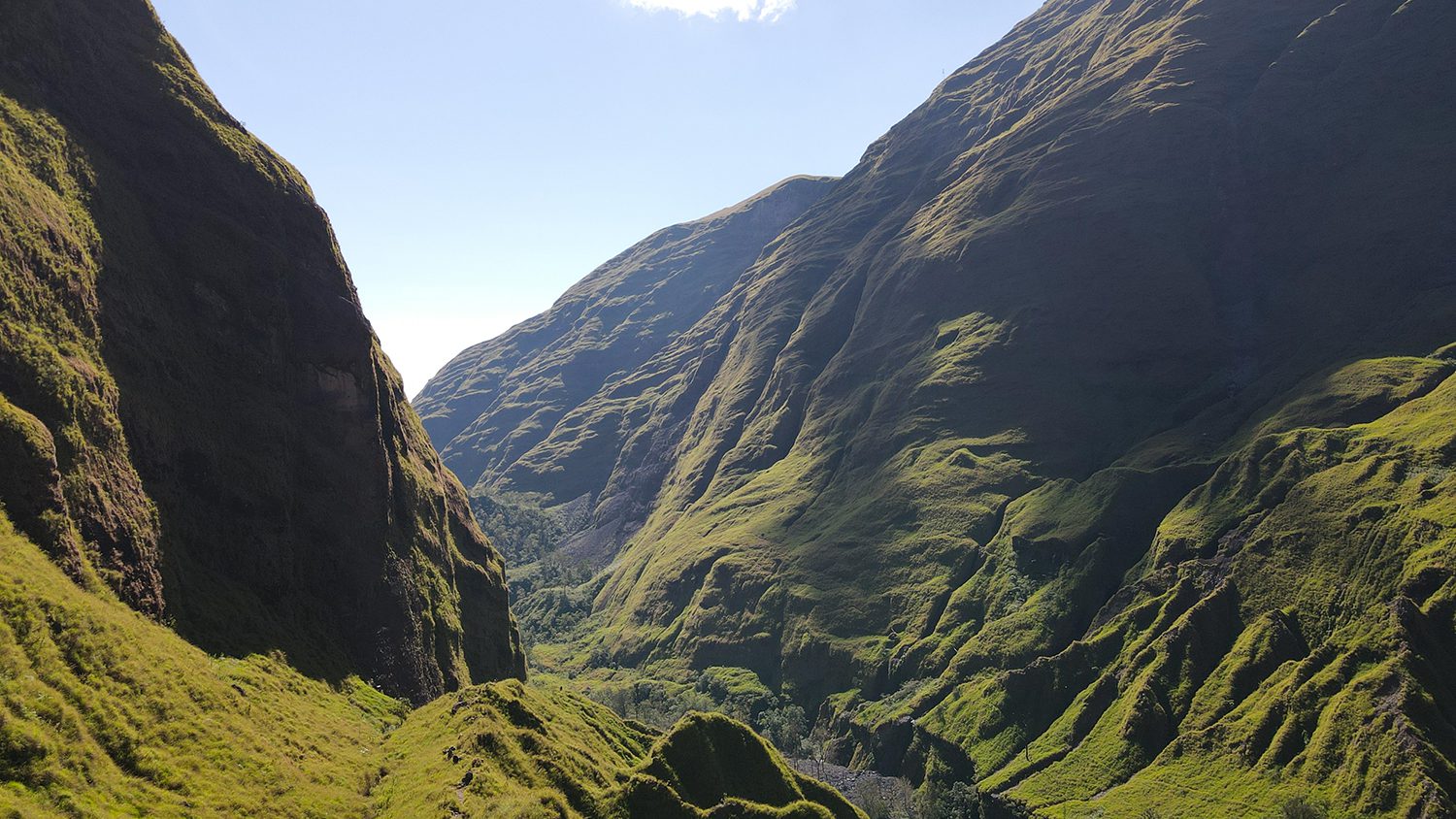
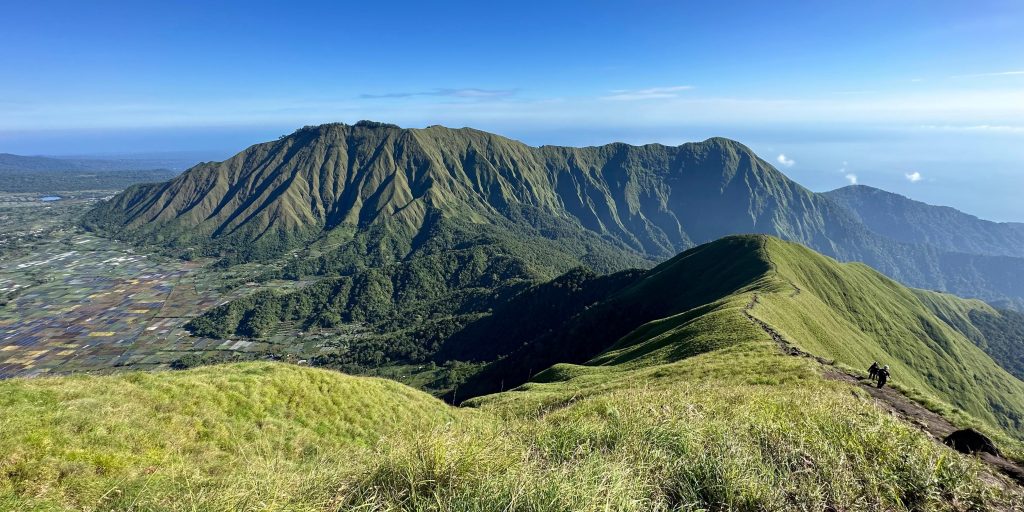
Mount Anak Dara, located in Sembalun, East Lombok, is a popular trekking destination known for its relatively short but steep hike and breathtaking panoramic views of the surrounding Sembalun Valley and Mount Rinjani. Rising to about 1,923 meters above sea level, the trek takes around 4–5 hours round-trip and is suitable for both beginners and experienced hikers seeking a rewarding climb. The trail passes through grassy hills and ridgelines, offering spectacular sunrise vistas from the summit, often above a sea of clouds. With its stunning scenery and accessible route, Mount Anak Dara is a favorite for nature lovers and adventure seekers visiting Lombok.


Bukit Pergasingan


ᯓ Sports
Surf Breaks
Ride the Untamed Waves of Lombok
Ride the Untamed Waves of Lombok
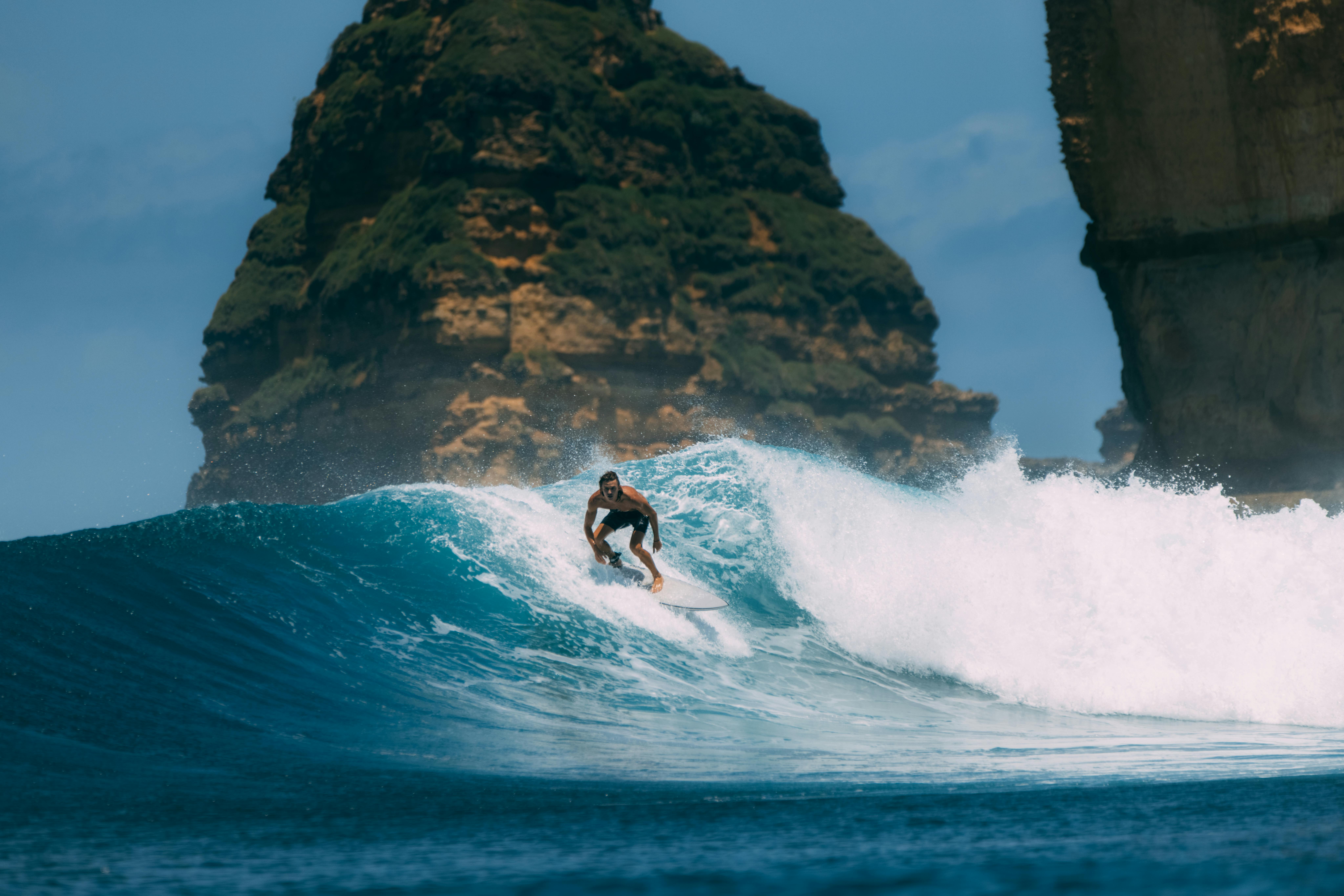
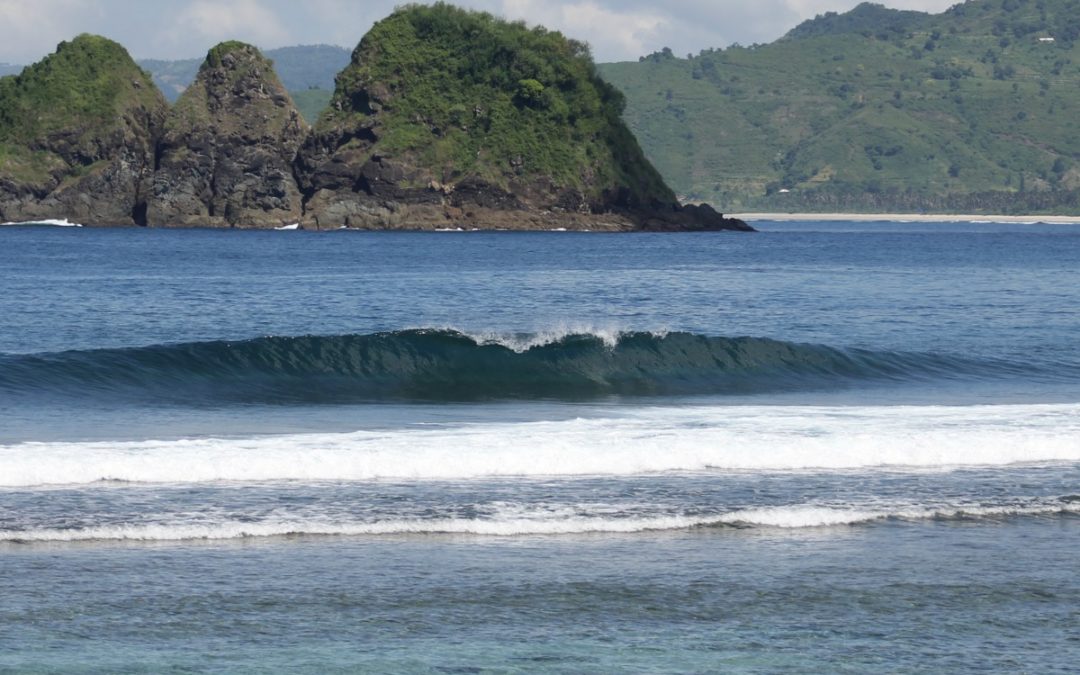
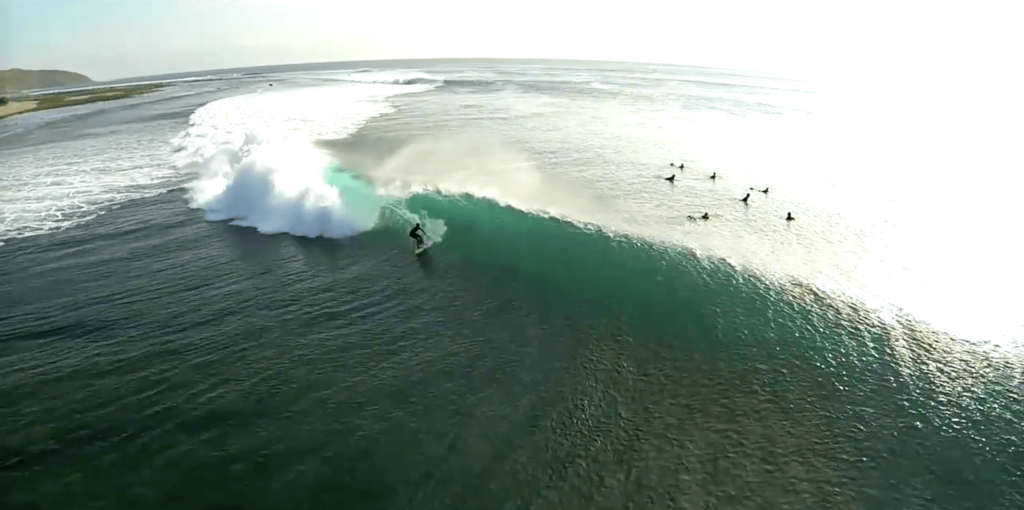
Lombok is a premier surfing destination renowned for its diverse breaks that cater to all skill levels, from beginners to world-class pros. The island’s southwest coast features iconic surf spots like Desert Point, famous for its long, fast, and barreling left-hand waves, as well as Gerupuk and Mawi, which offer powerful reef breaks and consistent swells. Beyond these, spots like Ekas Bay and Selong Belanak provide gentler waves perfect for learning and cruising. With warm tropical waters, uncrowded beaches, and stunning natural surroundings, Lombok offers surfers an unforgettable blend of challenging waves and island paradise vibes.



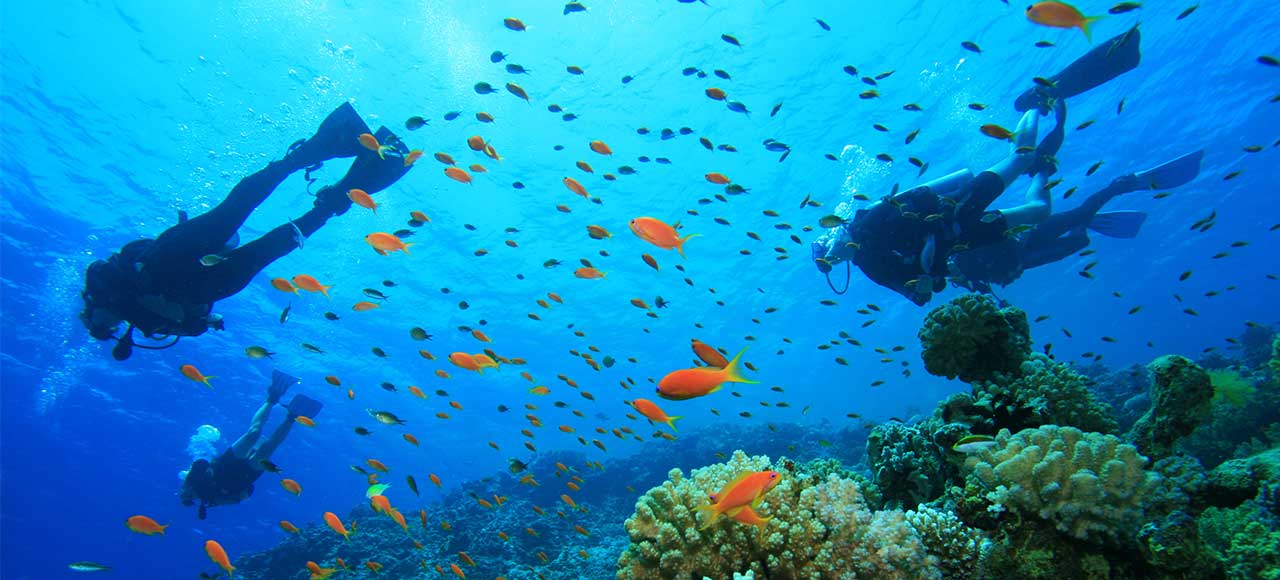
Diving


Motorbike
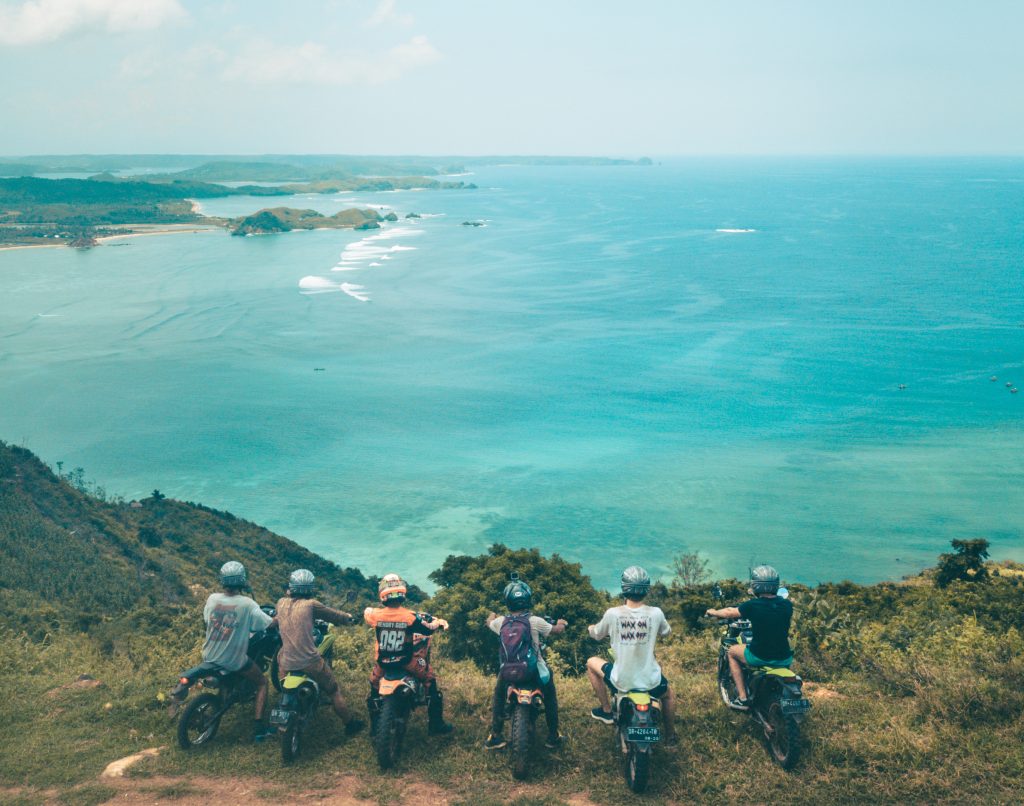
Two Wheels, One Island, Endless Adventure
Two Wheels, One Island, Endless Adventure
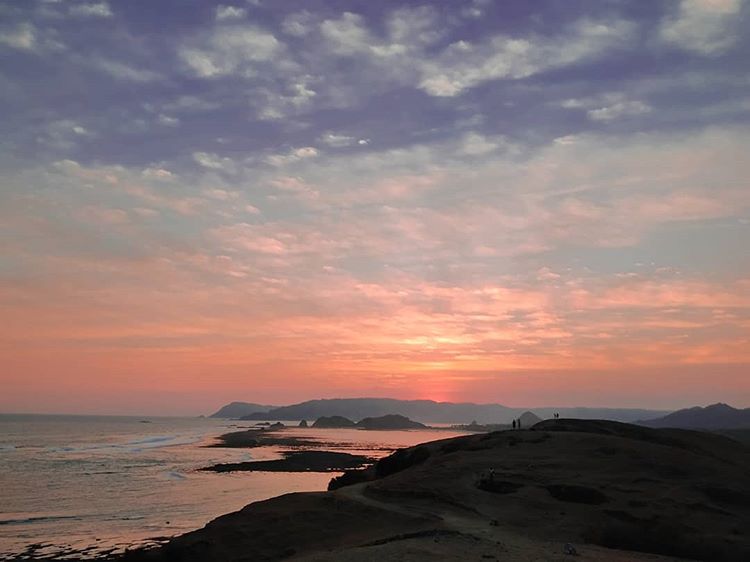
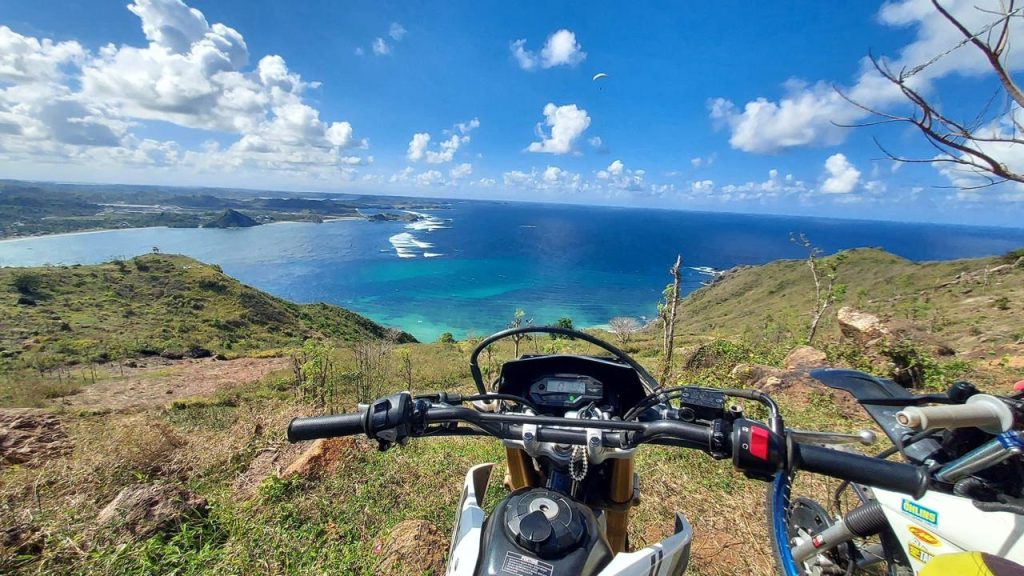
motorbike is one of the most popular and convenient ways to explore Lombok, offering freedom to discover the island’s diverse landscapes at your own pace. With well-maintained roads connecting beaches, villages, waterfalls, and mountains, riding a scooter or motorbike allows easy access to hidden spots like Bukit Merese, Senggigi, and the southern surf breaks. Rentals are affordable and widely available in tourist areas, though it’s important to wear a helmet, carry an international driving permit if needed, and drive cautiously on sometimes narrow or uneven roads. Whether cruising along the coast or navigating rural trails, a motorbike is an ideal way to experience Lombok’s natural beauty and local culture firsthand.
Paragliding


Don’t let your dream fade away.
Don’t let your dreams fade away.
Secure your tomorrow today!
Growth is already underway, and opportunities are opening for those ready to take part. Acting today means entering at the right moment, with more room for long-term returns and stability. The market is moving forward, and every step started now creates a stronger position for the future. With prices and demand rising, starting earlier gives you the advantage. The best time to begin is simply today. Invest with us


༄ Waterfalls
Sendang Gile
Chase the Falls, Discover the Magic
Chase the Falls, Discover the Magic
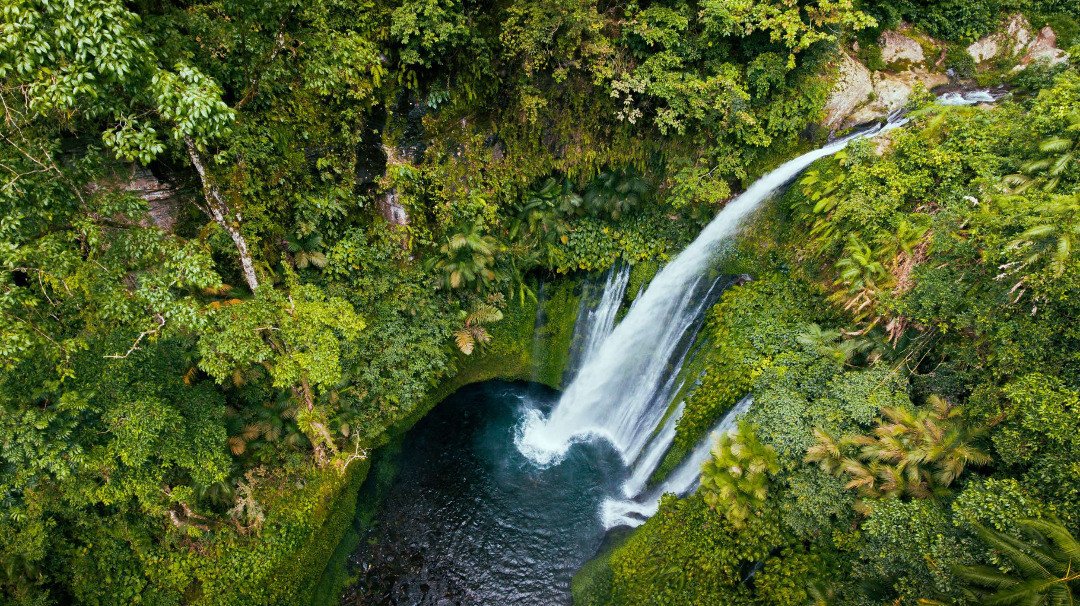
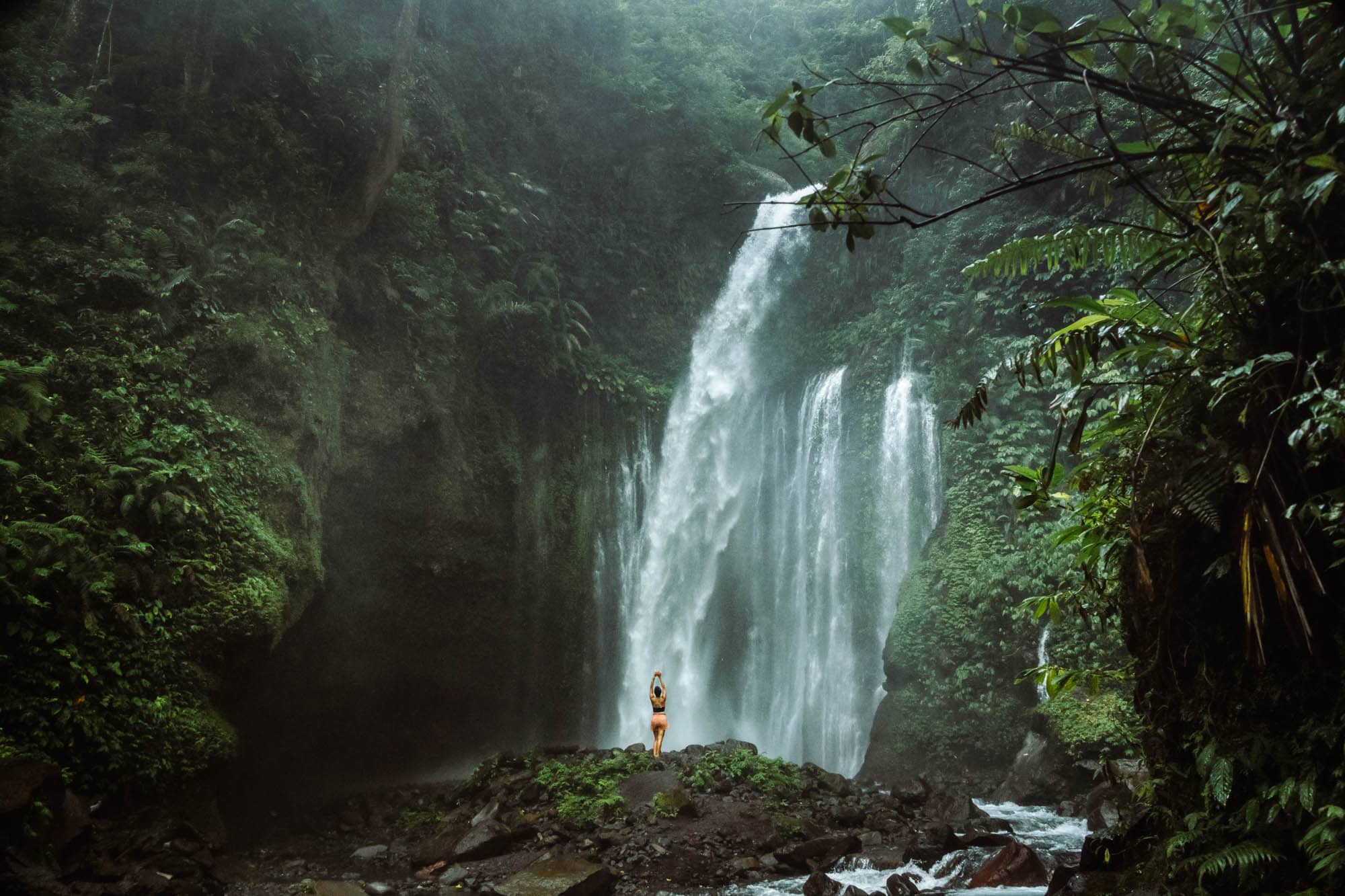
Sendang Gile Waterfall, located in the village of Senaru on the northern slopes of Mount Rinjani, is one of Lombok’s most accessible and breathtaking waterfalls. Cascading about 30 meters down a lush cliffside surrounded by tropical forest, the waterfall offers a cool, misty escape with a refreshing natural pool at its base. Just a 15–20 minute walk from the trailhead, the journey to Sendang Gile takes visitors along a scenic forest path with occasional glimpses of monkeys and mountain views. Often paired with a visit to the nearby Tiu Kelep waterfall, Sendang Gile is a perfect introduction to Lombok’s raw natural beauty and a must-visit for nature lovers and adventure seekers alike.

Tiu kelep


Benang Stokel
Nature’s Showers, Lombok’s Secrets
Nature’s Showers, Lombok’s Secrets
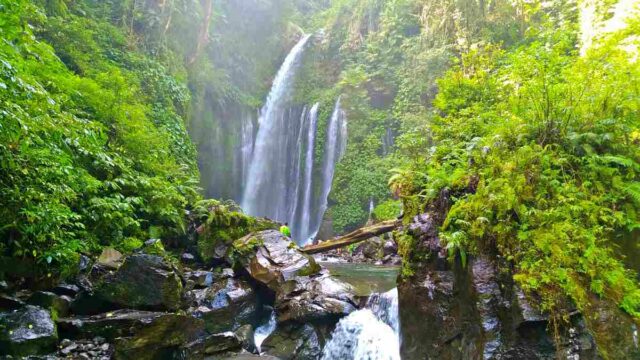
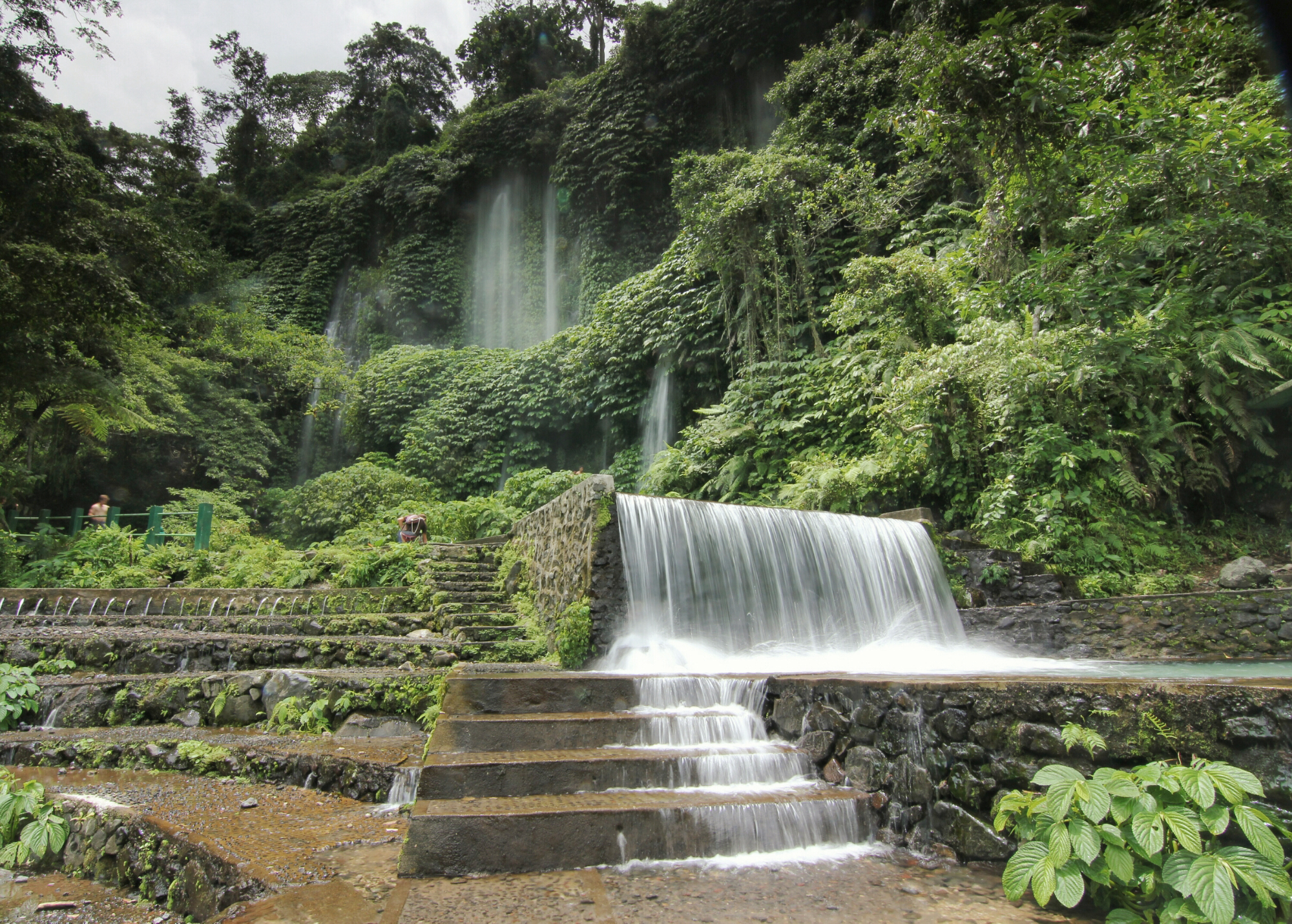
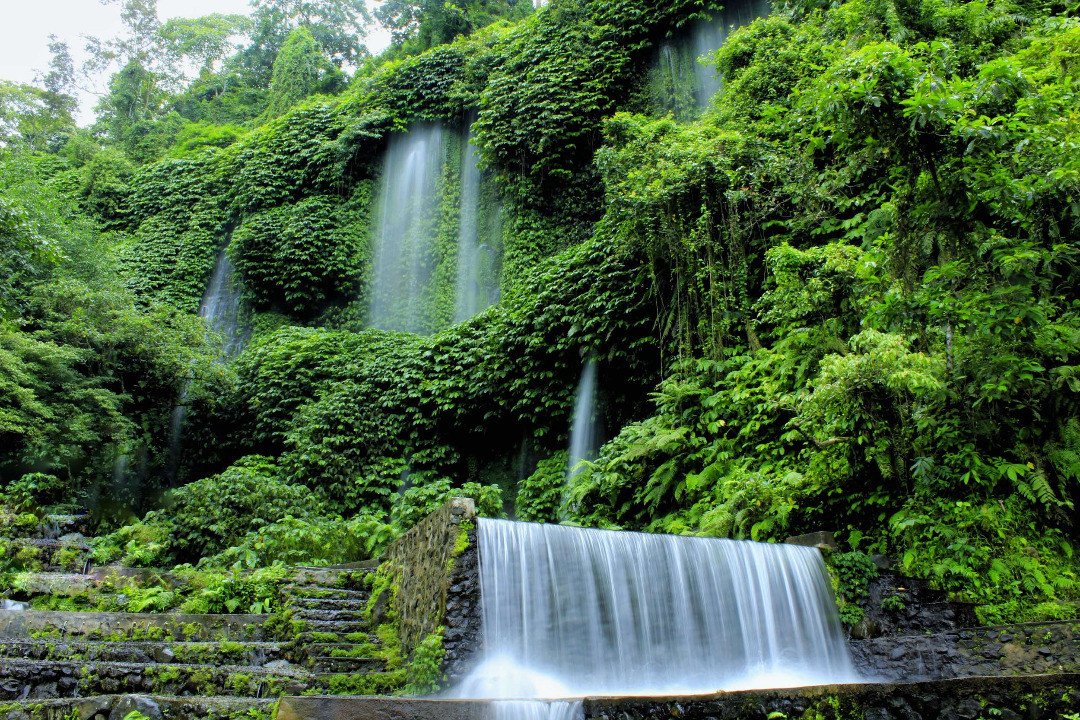
Benang Stokel is one of Lombok’s most enchanting waterfalls, located in the Mount Rinjani National Park area near Central Lombok. Surrounded by lush tropical forest, this twin-stream waterfall cascades gracefully from about 20 meters high into a clear, shallow pool, making it a serene spot for nature lovers to relax or take a refreshing dip. Its name, meaning “a bundle of threads” in the Sasak language, reflects the delicate, thread-like appearance of the falling water. Often visited together with the nearby Benang Kelambu waterfall, Benang Stokel offers a tranquil escape into nature, complete with scenic jungle trails, fresh mountain air, and the soothing sound of cascading water.

𓏲 Beachs
Selong Belanak
Soft Sands, Gentle Surf
Soft Sands, Gentle Surf
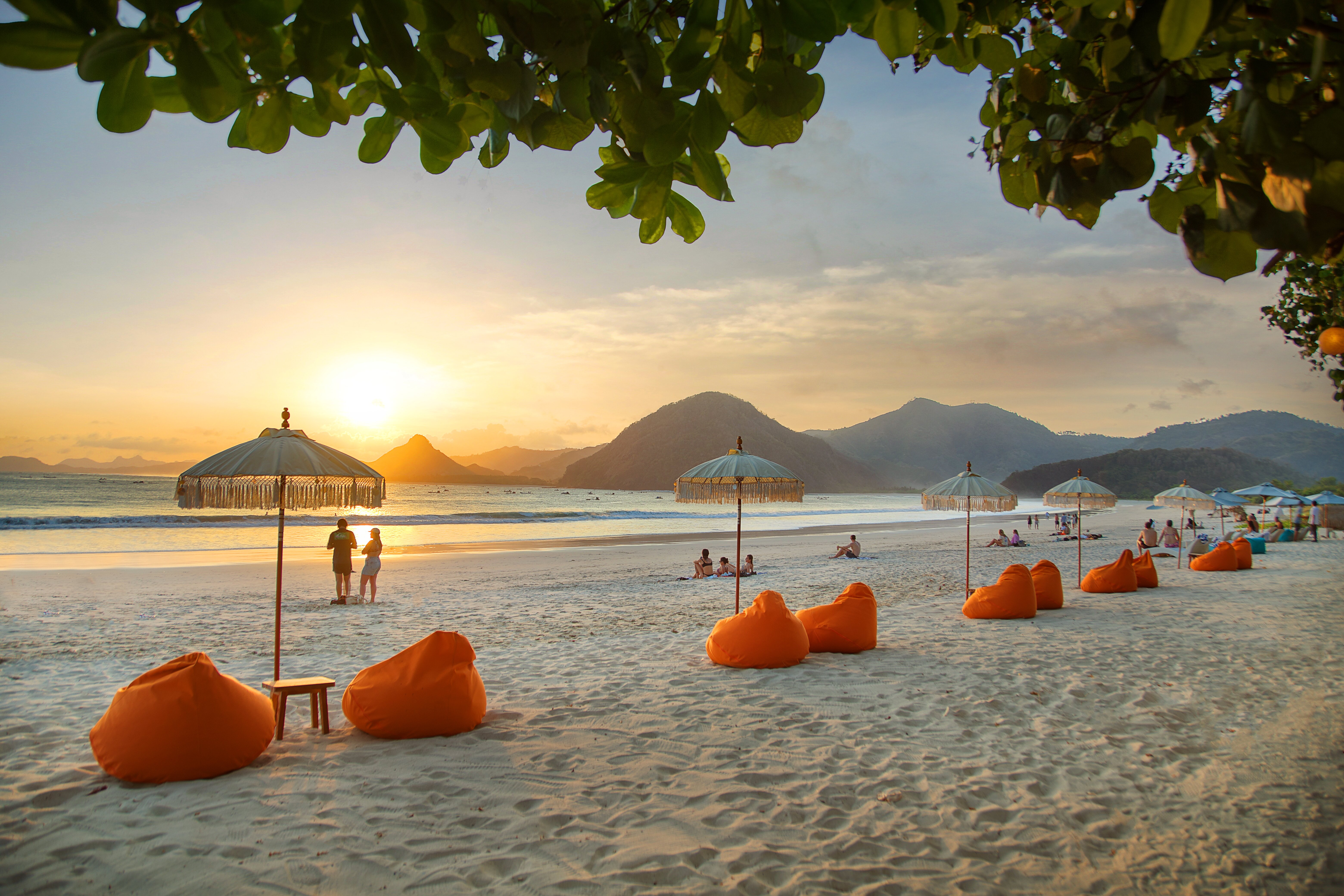
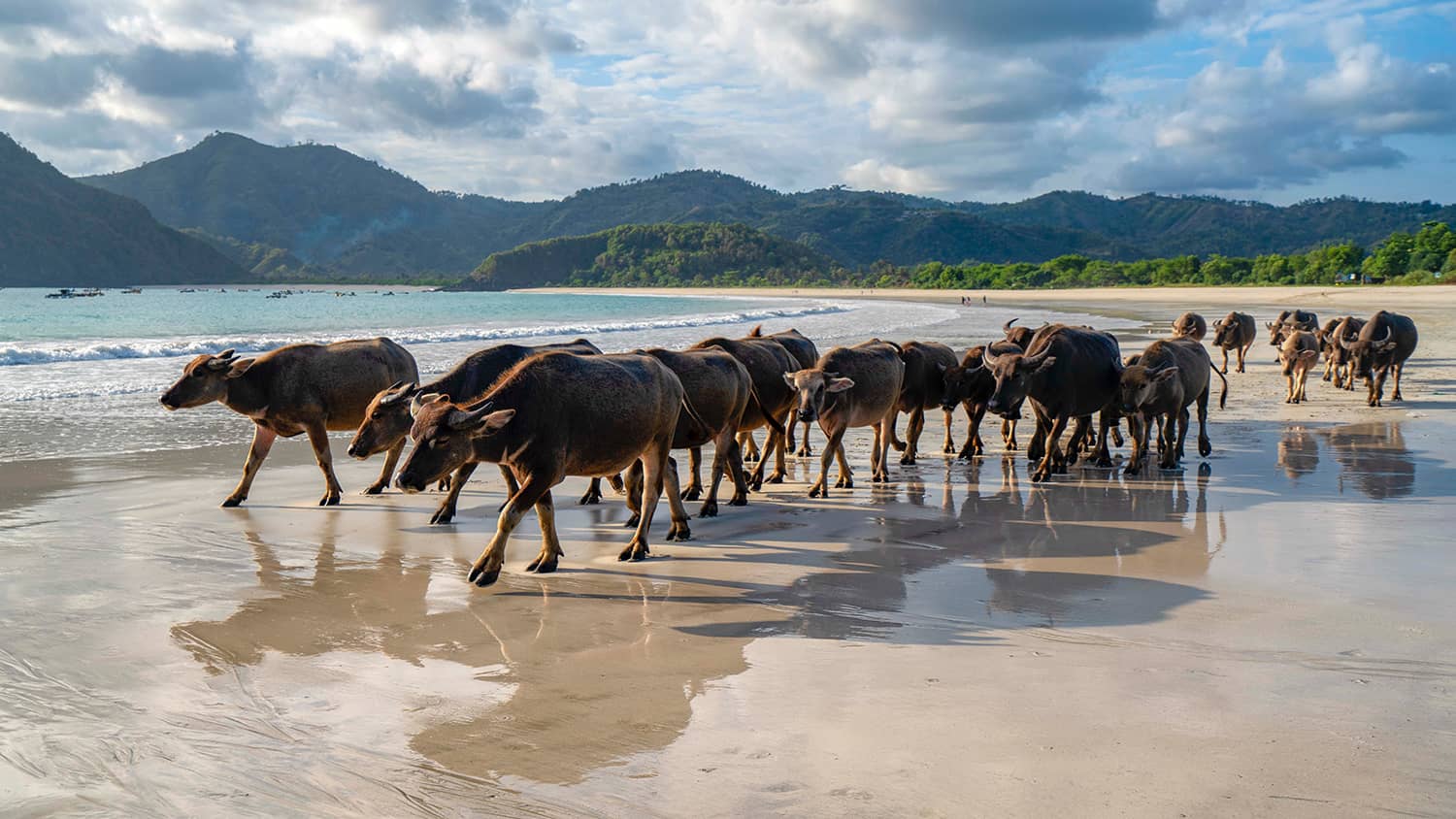
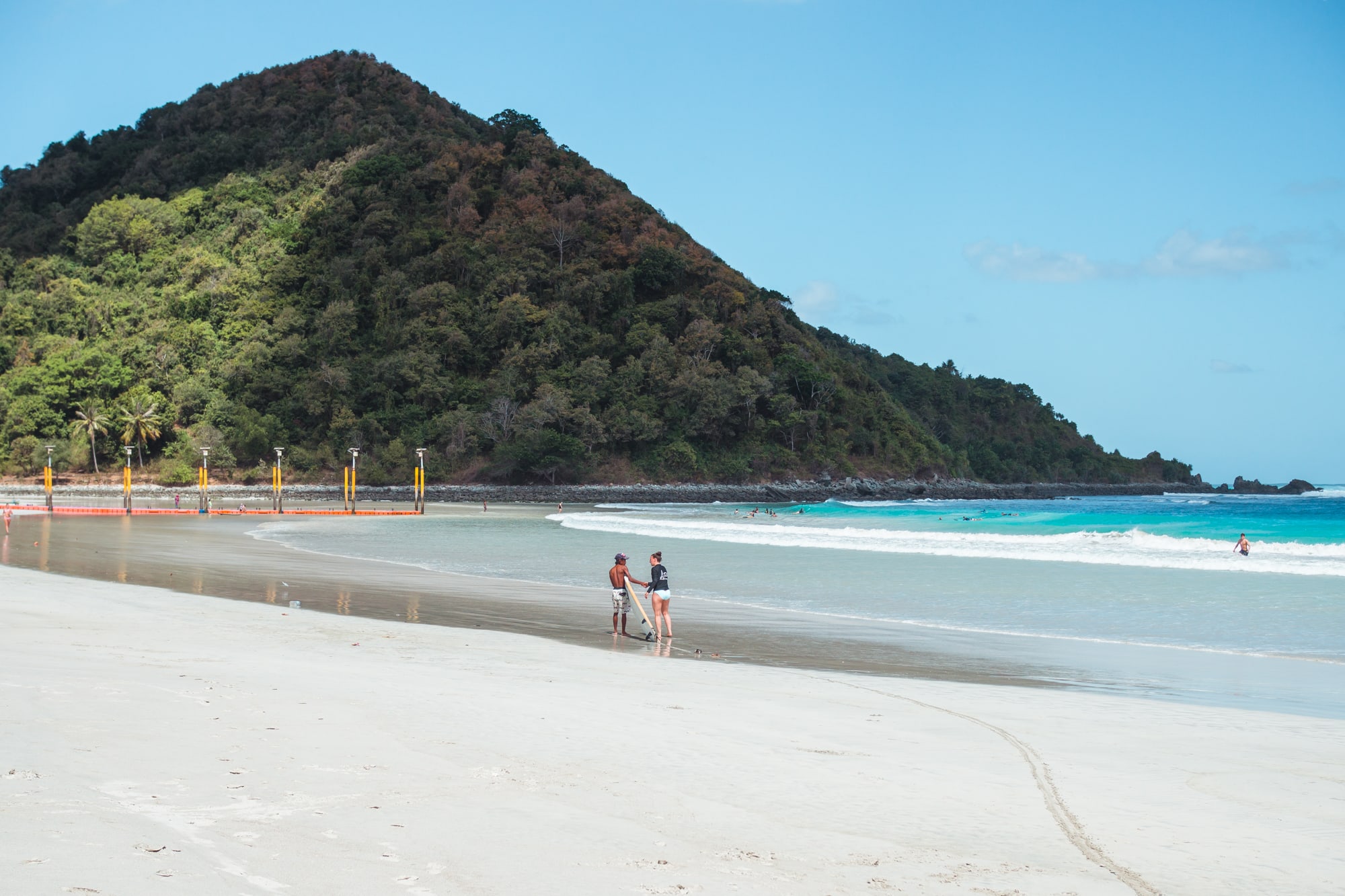
Selong Belanak is a stunning crescent-shaped beach located on the southern coast of Lombok, known for its powdery white sand, calm turquoise waters, and laid-back atmosphere. The gentle, rolling waves make it an ideal spot for beginner surfers, while its spacious shoreline invites sunbathers, swimmers, and those simply looking to unwind. Framed by green hills and dotted with traditional fishing boats, the beach offers a blend of natural beauty and local charm. Whether you’re taking a surf lesson, enjoying fresh seafood from beachfront warungs, or watching water buffalo stroll along the sand, Selong Belanak delivers an authentic and relaxing tropical escape.
Pink Beach

Tanjung Aan
Nature’s Curve of Calm and Beauty
Nature’s Curve of Calm and Beauty
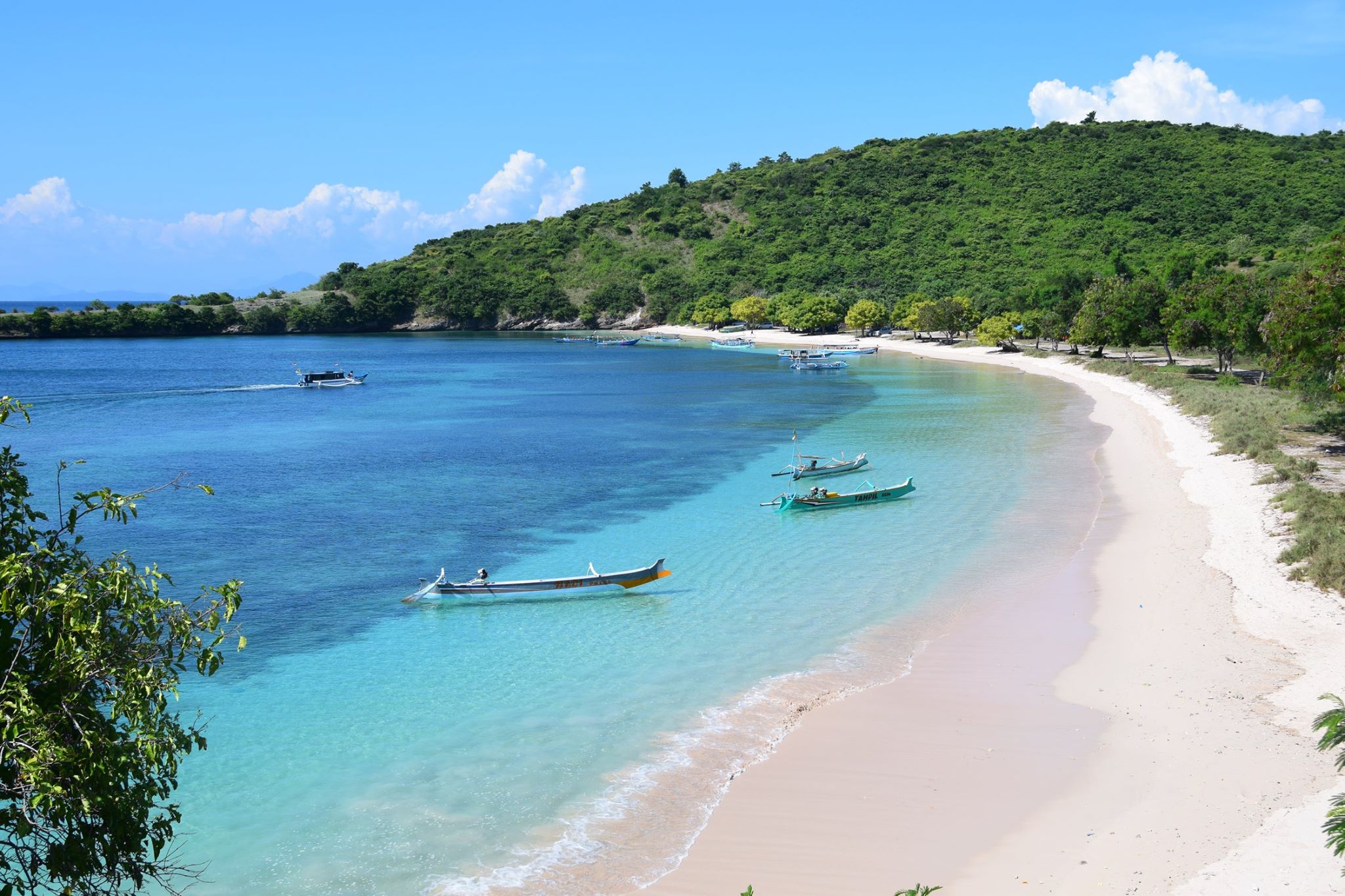
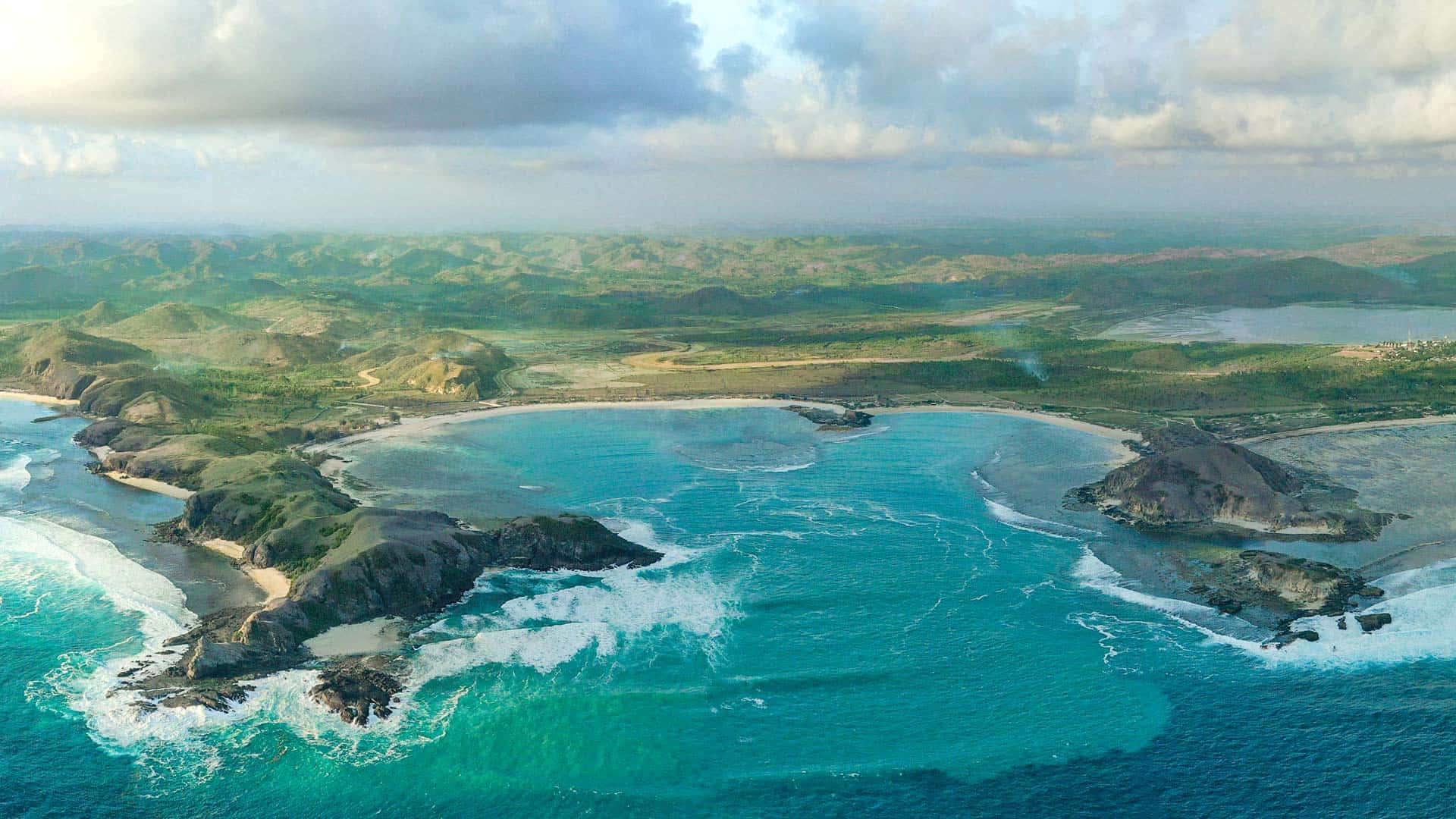
Tanjung Aan Beach, situated in South Lombok’s Pujut District, is a stunning 2 km crescent-shaped bay known for its soft white and pepper-like sand grains, clear turquoise waters, and gently sloping shoreline that’s ideal for swimming and snorkeling in the morning and beginner surfing in the afternoon. Surrounded by green hills, including the famous sand hills and Merese Hill, the beach offers panoramic views and a relaxed atmosphere with cozy Sasak warungs serving seafood and refreshments right on the shore. Easily accessible—just a 15 minutes’ ride from Kuta or about 40‑45 minutes from Lombok International Airport—and open all day with only a modest parking fee, Tanjung Aan provides a perfect mix of natural beauty, accessibility, and local charm.

Smart move, smooth stream of return.
Smart move, smooth stream of return.
𖡼 Culture
Sade Village
Step Into the Heart of Sasak Heritage
Step Into the Heart of Sasak Heritage
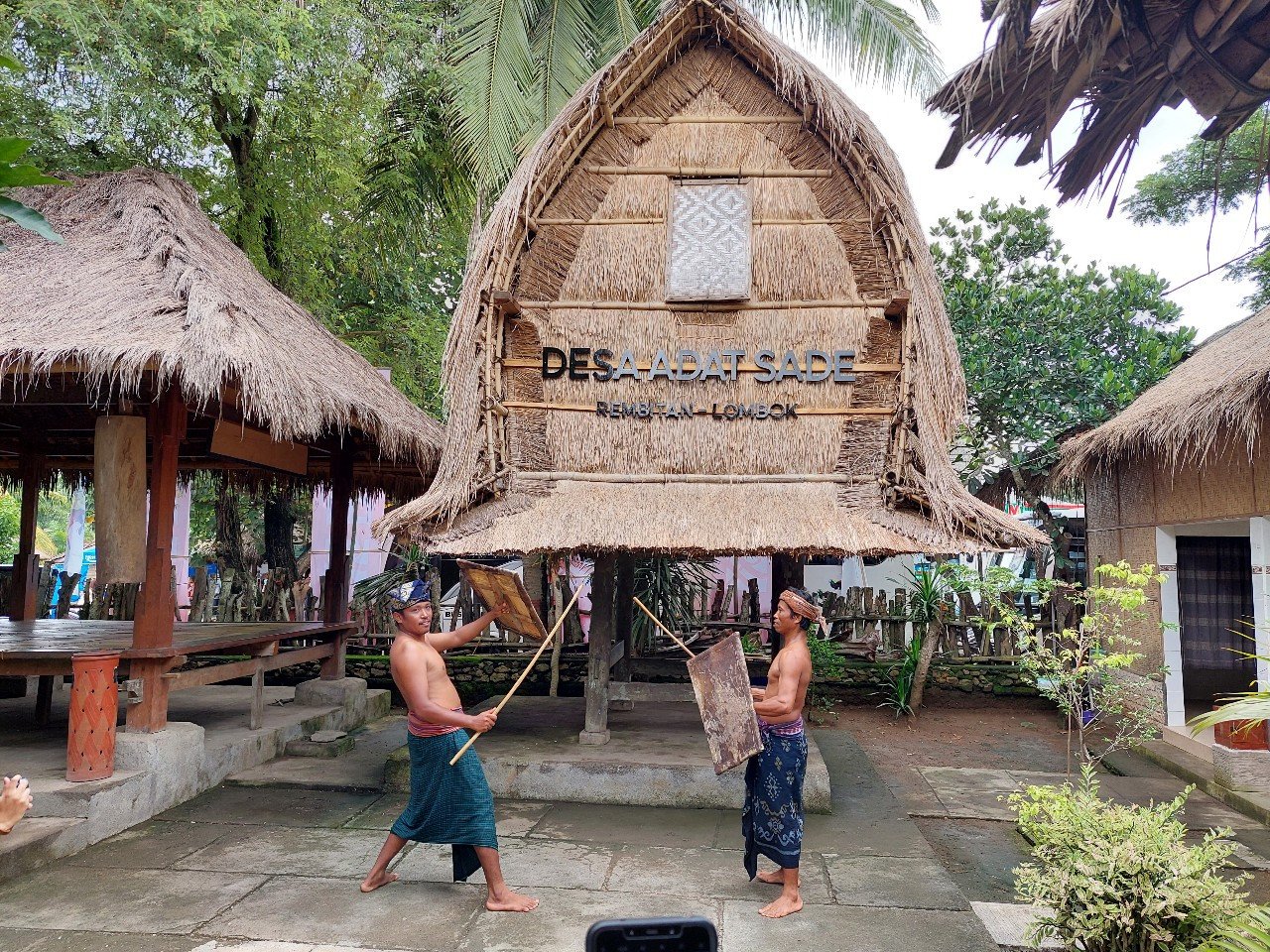
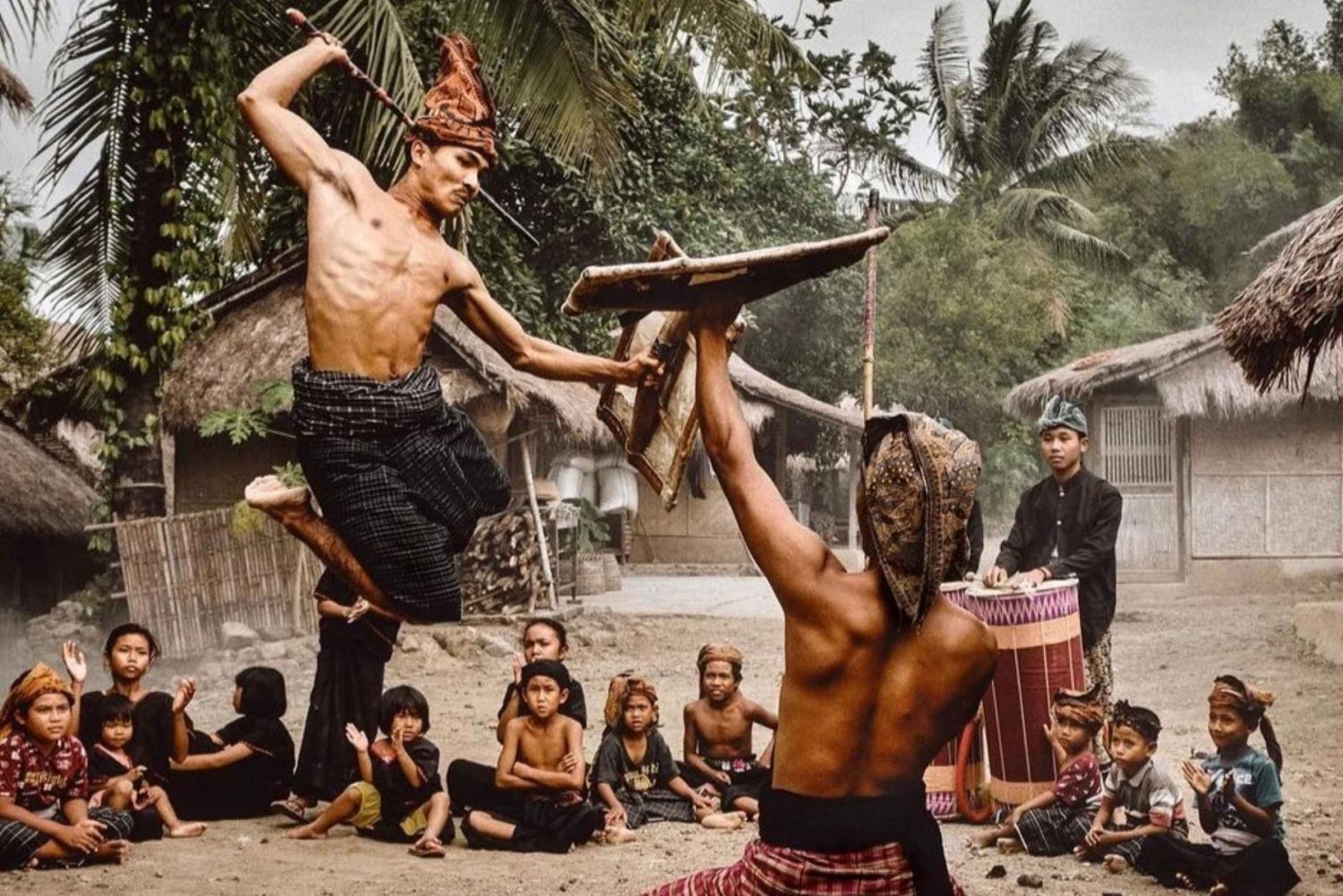
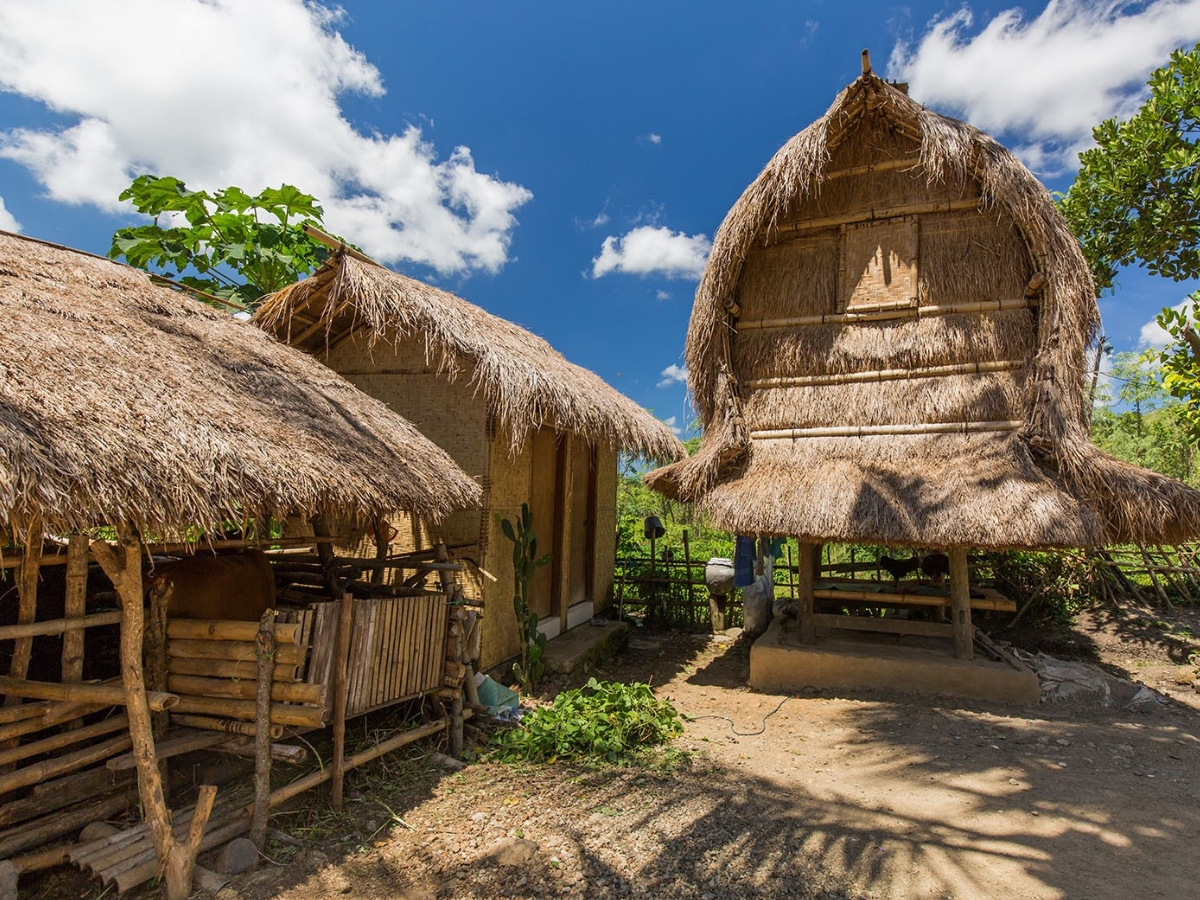
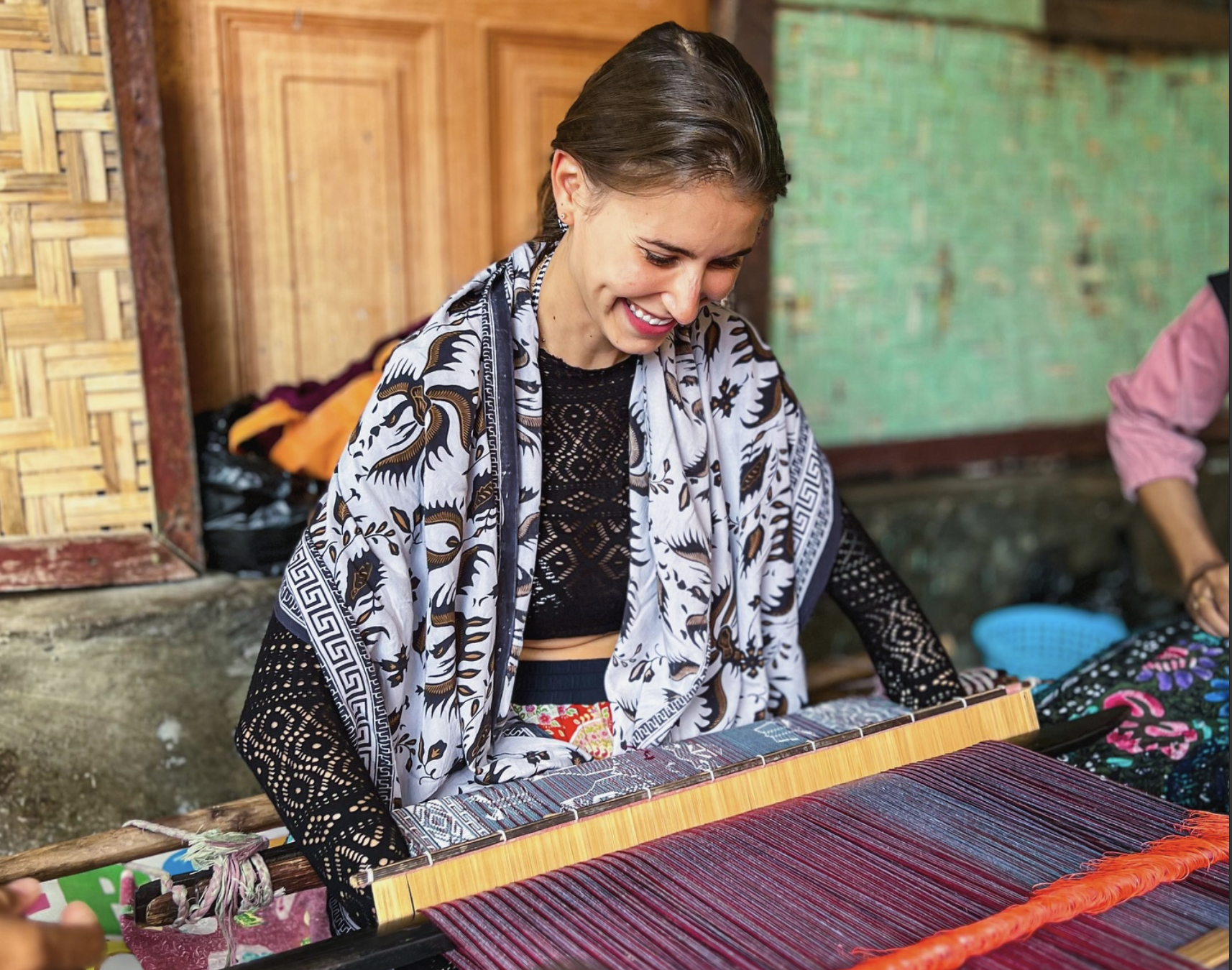
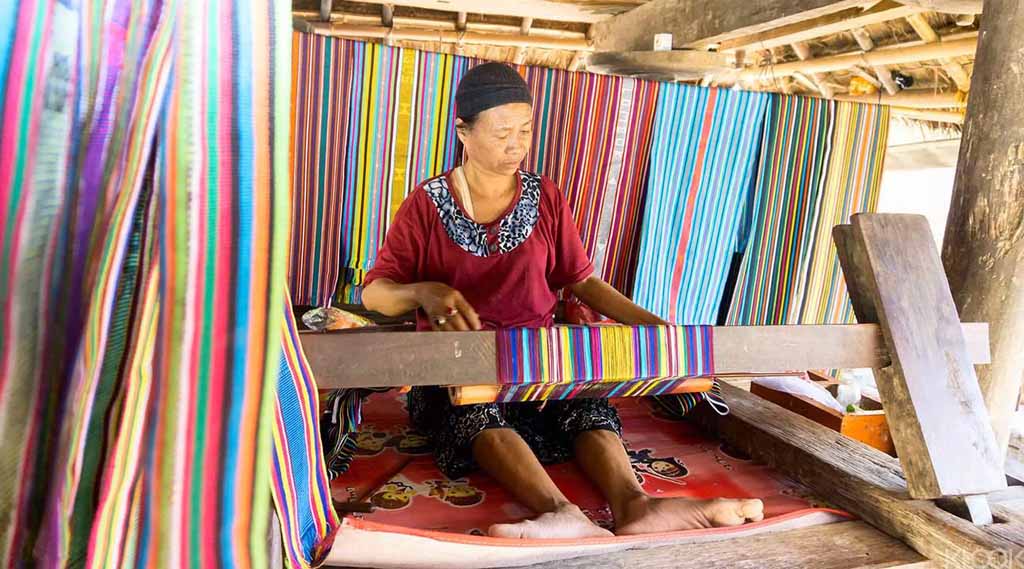
Sade Village is a living Sasak cultural hamlet in Pujut District, Central Lombok, where around 150 traditional reed‑roof houses (called Bale Tani Gunung Ratu) house approximately 700–750 people descended from a single lineage. It proudly preserves centuries-old customs, including strict endogamous marriages, elopement traditions (kawin lari), and women’s required mastery of traditional tenun weaving—skills passed down through 15 generations and showcased in daily demonstrations where visitors can buy exquisite handwoven cloths directly from local artisans (IDR 50,000–400,000). Guided tours introduce visitors to stick‑fighting duels, sasak dance performances, and communal crafts, all while farmland and clay‑thatched houses reflect an intentional resistance to modernization and a commitment to heritage.

Weaving
Pottery
Every Curve Tells a Story
Every Curve Tells a Story
Pottery in Lombok is a time-honored craft deeply rooted in the island’s Sasak heritage, especially in the village of Banyumulek, where artisans have passed down their skills through generations. Using locally sourced clay and traditional hand-molding techniques often shaped without a pottery wheel craftsmen and women create beautiful, functional pieces like vases, jugs, and decorative pottery, sometimes adorned with natural motifs or intricate carvings. Many pieces are sun-dried and fired in open kilns, showcasing a rustic yet refined charm. Visitors can observe live demonstrations, try shaping their own pottery, and purchase unique handmade souvenirs that reflect the island’s cultural richness and artistic spirit.


Presean
Gendang Beleq
Big Drums, Bigger Spirit
Big Drums, Bigger Spirit
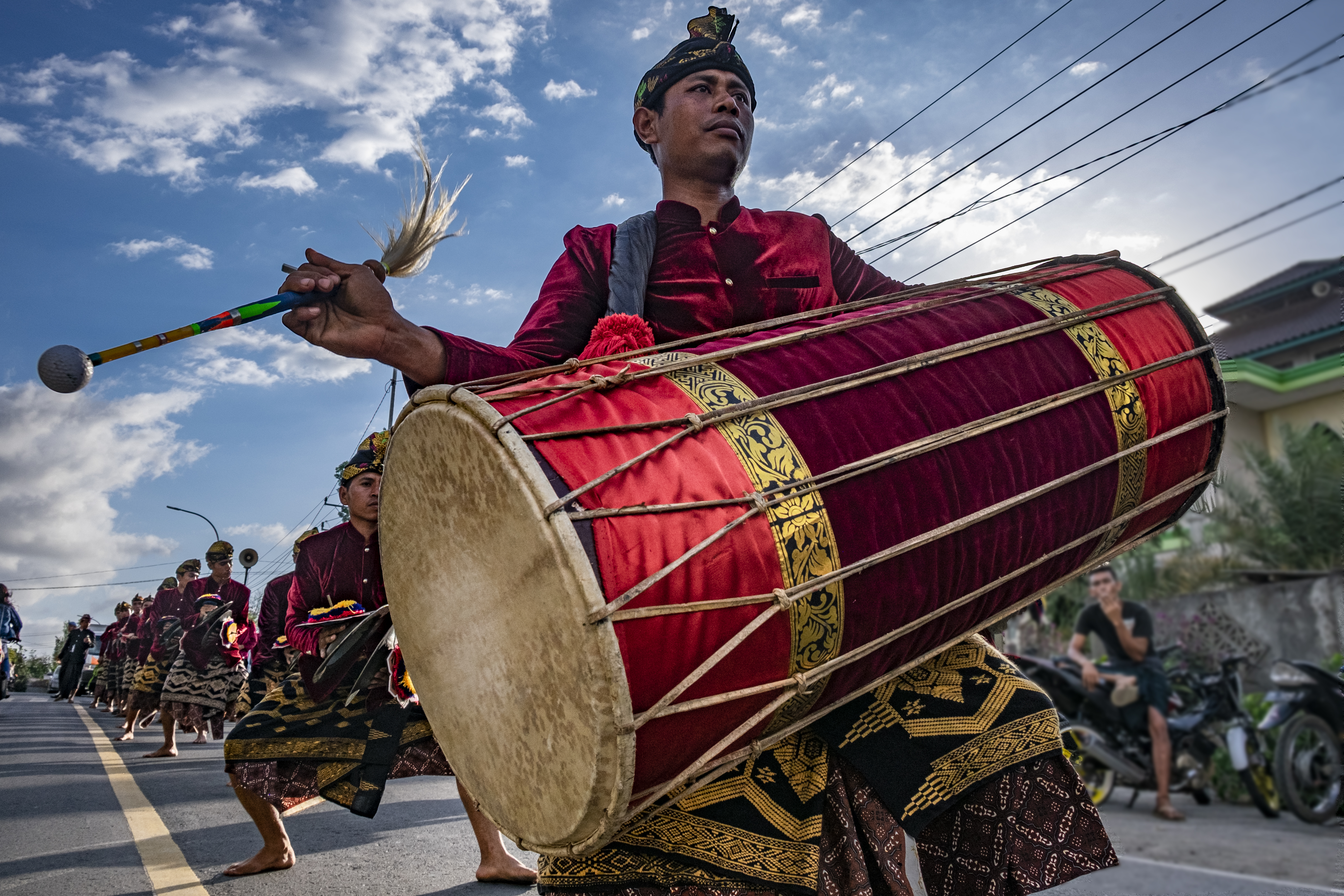
Gendang Beleq is a vibrant and powerful traditional music performance from Lombok, deeply rooted in Sasak culture and often played during ceremonies, festivals, and welcoming rituals. The name translates to “big drum,” referring to the large double-sided drums carried and played by young male performers in coordinated, energetic movements. Accompanied by other instruments like gongs, flutes, and cymbals, Gendang Beleq ensembles create a dynamic rhythm that blends music with dance and martial-like choreography. Beyond entertainment, it holds symbolic significance celebrating bravery, unity, and spiritual connection and remains a proud expression of Sasak identity passed down through generations.

𖦹 Island’s
Gili Meno
Escape to the Rhythm of the Gilis
Escape to the Rhythm of the Gilis
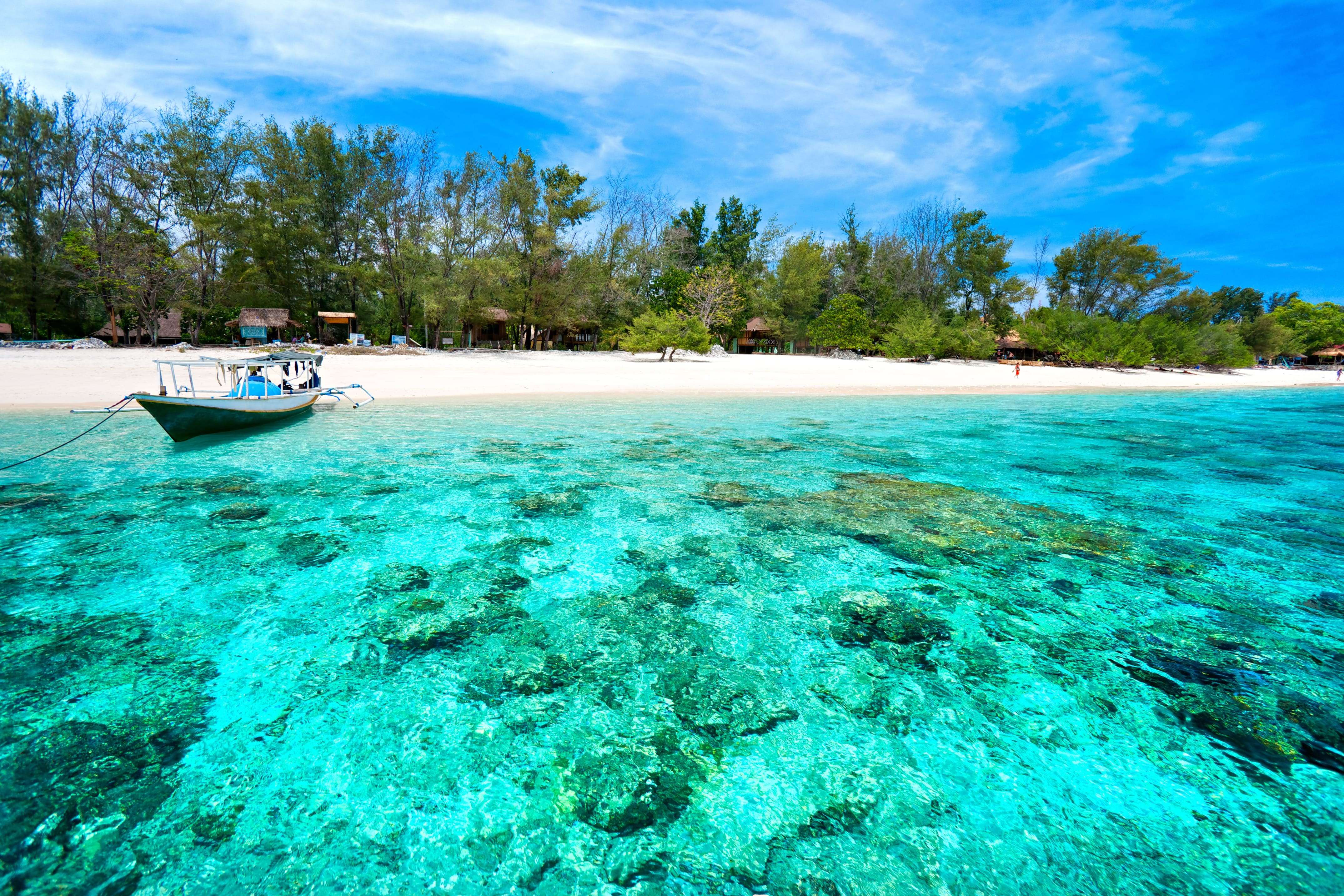
Gili Meno is the most serene and romantic of the three Gili Islands off the northwest coast of Lombok, often described as a tropical escape frozen in time. With soft white-sand beaches, crystal-clear turquoise waters, and minimal development, it’s a haven for couples, honeymooners, and those seeking tranquility. The island’s calm, shallow reefs are ideal for snorkeling especially at the famous underwater statues and turtle sanctuary. Unlike its livelier neighbors, Gili Meno has no motorized vehicles, only sandy paths and the gentle clip-clop of horse carts. Its slow pace, natural beauty, and peaceful charm make Gili Meno a true island paradise.

Gili Trawangan


Gili Air
Where Sea Turtles Swim and Time Slows Down
Where Sea Turtles Swim and Time Slows Down
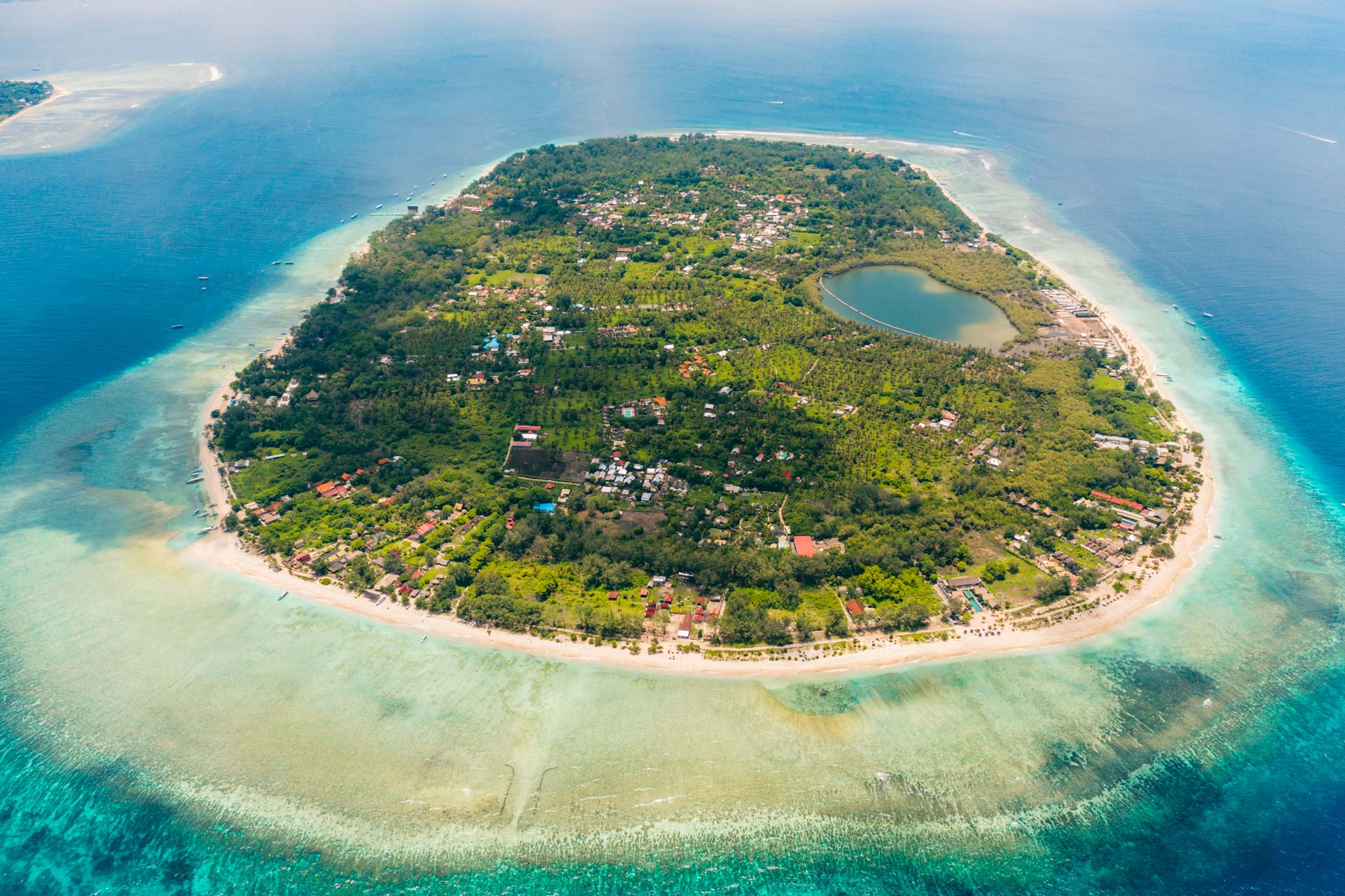
Gili Air offers the perfect balance between the lively spirit of Gili Trawangan and the serene calm of Gili Meno. Nestled closest to Lombok, this laid-back island blends local charm, beachside relaxation, and underwater adventures in a cozy, walkable setting. The island is surrounded by clear waters ideal for snorkeling and diving especially with frequent sightings of sea turtles and vibrant coral reefs. You’ll find a mix of boutique stays, yoga retreats, and beach cafés, making it a favorite for couples, backpackers, and slow travelers. With no motorized vehicles, Gili Air invites you to explore by foot or bicycle while soaking in its tranquil, barefoot island vibe.